


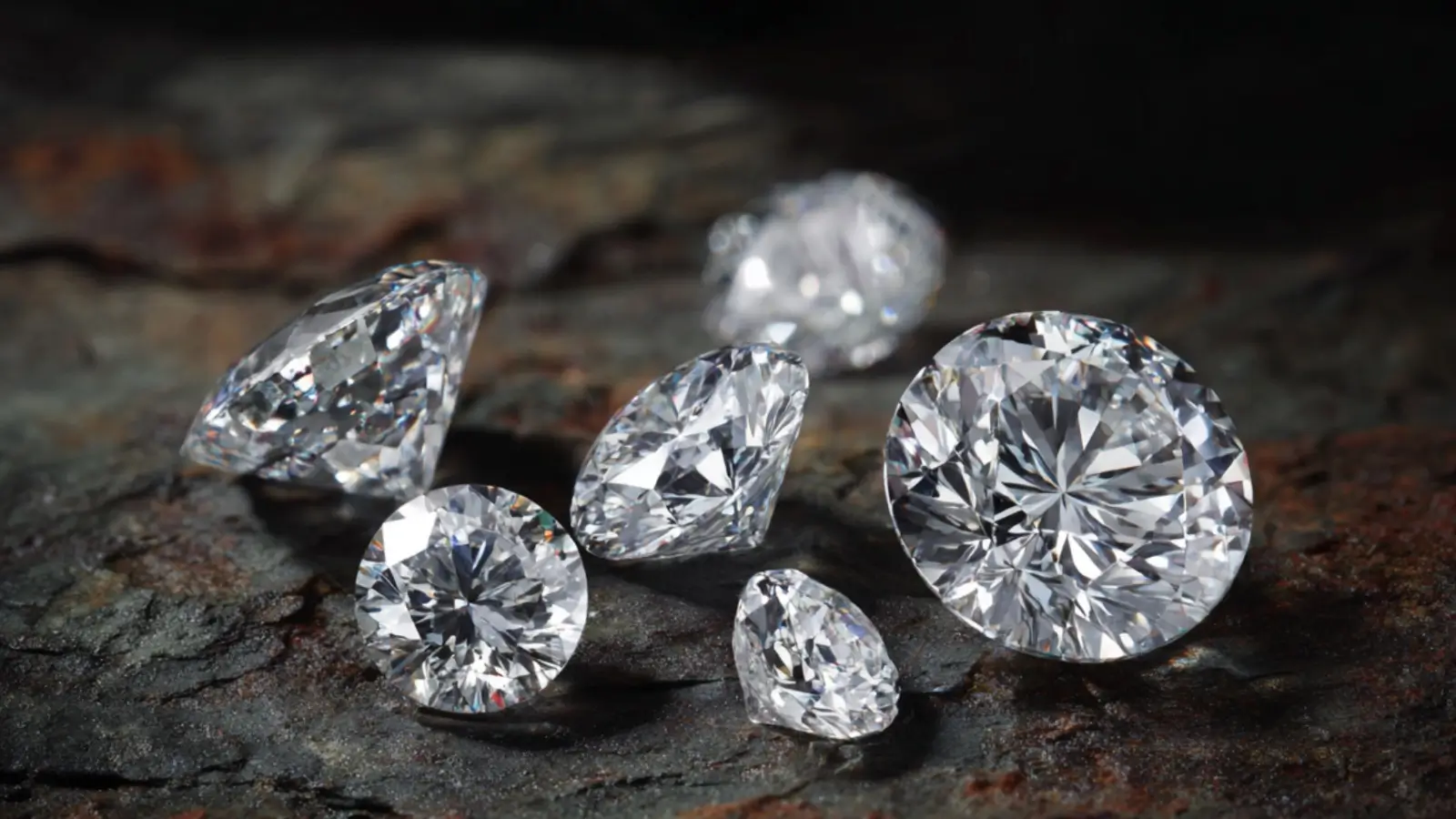
Key Highlights
- Loose diamonds provide better value per carat compared to pre-set jewelry by separating the diamond cost from setting and retail markup.
- Buying loose gives you full visibility into the stone’s quality, as it can be examined from every angle without a setting obscuring characteristics.
- GIA-certified loose diamonds are the most transparent, liquid, and resalable format for diamond ownership.
- In 2025, natural loose diamond prices offer compelling buying opportunities compared to recent retail peaks.
- Loose diamonds can be set into any custom or semi-custom mounting, giving complete design freedom.
- JS Diamonds Inc offers a curated selection of certified loose diamonds in all major shapes and sizes.
In This Article
- What Is a Loose Diamond?
- The Value Advantage of Buying Loose
- Full Visibility and Transparency
- Why Certification Is Non-Negotiable
- Complete Design Customization
- Market Conditions in 2025: A Buyer’s Opportunity
- Natural vs. Lab-Grown Loose Diamonds in 2025
- Resale Liquidity of Loose Diamonds
- How to Choose the Right Loose Diamond
- JS Diamonds Inc Serves Customers Nationwide
- Related Reading
- Frequently Asked Questions
When most people think about buying a diamond, they picture a finished ring in a display case. But the savviest diamond buyers, from professional dealers to knowledgeable consumers, have long known that purchasing a loose diamond and having it set separately is almost always the smarter financial and practical decision. In 2025, this approach is more compelling than ever, thanks to shifting market conditions, greater buyer awareness, and expanded access to certified stones through specialized dealers like JS Diamonds Inc.
This guide explains precisely why buying a loose diamond beats buying a pre-set piece on virtually every important dimension, from value and transparency to customization and long-term resale performance.
1. What Is a Loose Diamond?
A loose diamond is a finished, cut, and polished diamond gemstone that has not yet been mounted into any piece of jewelry. It exists as a standalone stone, typically stored in a small paper or plastic parcel or a gemstone holder. In the professional diamond trade, the vast majority of diamond transactions occur in loose form. Stones are bought and sold loose at every level of the supply chain, from mining rough to the final consumer purchase.
When you buy a loose diamond from a specialist like JS Diamonds Inc, you receive the stone along with its grading certificate from the Gemological Institute of America (GIA) or the American Gem Society (AGS). This certificate is the independent, third-party verification of the diamond’s characteristics and is transferable with the stone throughout its ownership history.
2. The Value Advantage of Buying Loose
The most immediate and tangible benefit of buying a loose diamond is financial. When you purchase a pre-set diamond ring at a traditional jeweler, the price you pay bundles together the cost of the diamond, the metal setting, the labor to set the stone, the retailer’s margin on both components, and often a brand premium if the jewelry is from a recognized designer house.
Industry estimates suggest that the diamond itself typically represents 40% to 70% of a finished ring’s retail price. The remaining 30% to 60% covers the setting, labor, retail overhead, and markup. Buying loose lets you allocate your entire budget to the diamond, rather than splitting it between the stone and these additional costs.
By purchasing a loose stone and having it set independently, you pay the wholesale or near-wholesale price for the diamond and a separate, competitive price for the setting and labor. The total cost is almost always lower than buying the equivalent finished piece at retail, and in many cases you get a meaningfully better diamond for the same budget.
3. Full Visibility and Transparency
One of the most overlooked advantages of buying a loose diamond is the ability to inspect the stone thoroughly from every angle before purchase. When a diamond is set in prongs or a bezel, significant portions of the girdle and pavilion are concealed. Certain inclusions, naturals (unpolished sections of the original crystal surface), or chips near the girdle can be hidden by prongs placed specifically to cover them.
A loose diamond can be examined under magnification from every angle. You can see the full girdle, assess the culet, verify that the table is centered, and evaluate the symmetry of the facets without any obstruction. This complete transparency gives you the confidence to buy with certainty. Combined with a GIA certificate that documents the stone’s characteristics, a loose diamond purchase is the most transparent transaction in the jewelry market.
4. Why Certification Is Non-Negotiable
A GIA or AGS certificate is not simply a piece of paper. It is the independently verified record of a diamond’s 4Cs along with its measurements, fluorescence, symmetry grade, polish grade, and a plotting diagram showing the location of all inclusions. This standardized grading allows buyers to compare diamonds across sellers using an objective common language.
When purchasing a loose diamond, always insist on a GIA or AGS certificate. Certificates from other less rigorous labs may overgrade a stone by one or two grades on color or clarity, making an inflated claim appear to be a better deal than it actually is. A GIA-certified stone’s stated characteristics are the most reliable in the industry and support the strongest resale position if you later decide to sell your loose diamond.
Browse Certified Loose Diamonds at JS Diamonds Inc
Our inventory includes GIA-certified loose diamonds in all major shapes, sizes, and qualities. Let our specialists help you find the perfect stone for your budget.
5. Complete Design Customization
Buying a loose diamond gives you complete freedom over the design of the finished piece. Rather than choosing from whatever combination of stone and setting happens to be in a retailer’s display case, you can select a stone that meets your precise quality and budget requirements, then pair it with any setting style that suits your taste and lifestyle.
Setting Options Available After a Loose Purchase
Once you own a loose diamond, it can be set into virtually any mounting style: solitaire, halo, three-stone, pavé band, bezel set, cathedral, tension set, or any custom design. The metal can be 14K yellow gold, 18K white gold, platinum, rose gold, or any alloy that matches your preference. This level of customization is simply not available when choosing from finished pre-set jewelry.
For couples planning an engagement, this flexibility is particularly valuable. The ability to choose a stone with a specific carat weight, cut grade, and clarity that fits your budget, then pair it with a setting that suits your partner’s style, ensures a fully personalized result that a finished display ring cannot match. For inspiration on proposal jewelry, see our guide on Valentine’s Day proposal ring selection.
6. Market Conditions in 2025: A Buyer’s Opportunity
The natural diamond market in 2025 presents a compelling buying environment for knowledgeable consumers. Natural diamond prices in the one-carat to three-carat range have experienced adjustments from their post-pandemic peaks, creating a window where quality stones are available at more accessible price points than in recent years.
For a detailed analysis of current pricing trends and what they mean for buyers and sellers, read our comprehensive guide on diamond prices in 2025. Understanding the market context helps you identify when a price represents genuine value versus a seller taking advantage of an uninformed buyer.
7. Natural vs. Lab-Grown Loose Diamonds in 2025
No discussion of loose diamonds in 2025 is complete without addressing the lab-grown diamond segment. Lab-grown diamonds are chemically, physically, and optically identical to natural diamonds. They are produced using either High Pressure High Temperature (HPHT) or Chemical Vapor Deposition (CVD) methods, and they can be certified by GIA just like natural stones.
| Factor | Natural Loose Diamond | Lab-Grown Loose Diamond |
|---|---|---|
| Initial Cost | Higher | 50-80% lower per carat |
| Visual Appearance | Identical quality range | Identical quality range |
| Resale Value | Stronger, more stable | Declining rapidly |
| Supply | Finite and constrained | Unlimited, growing |
| Investment Potential | Moderate to good | Poor |
| Certification | GIA, AGS available | GIA, IGI available |
For buyers who prioritize maximizing visual quality per dollar spent, lab-grown diamonds offer remarkable options in 2025. For buyers who view their diamond as a store of value with resale potential, natural stones are the more prudent choice. JS Diamonds Inc can advise on both options based on your priorities. When it comes to selling later, note that our sell loose diamonds service focuses on natural certified stones which command the strongest resale offers.
8. Resale Liquidity of Loose Diamonds
One of the most important practical advantages of owning a loose diamond over a finished piece is the ease of resale. When you sell a finished piece, a buyer must value both the stone and the setting, and the setting typically recovers only its melt value. The result is that the aesthetic and labor premium embedded in the finished piece is lost entirely at resale.
A certified loose diamond is universally understood and valued across the trade. Any reputable diamond buyer can assess and make an offer on a GIA-certified stone quickly and accurately. There is no setting to discount, no uncertainty about hidden characteristics, and no need for extensive testing beyond a quick verification against the certificate. This makes a loose diamond one of the most liquid gemstone assets available. To sell your diamond for cash, JS Diamonds Inc offers same-day assessment and payment for loose stones.
9. How to Choose the Right Loose Diamond
Choosing a loose diamond involves balancing the four Cs against your budget and priorities. Here are the key principles JS Diamonds Inc’s specialists apply when helping customers select the right stone.
Prioritize Cut Above All Else
Cut quality has the greatest impact on a diamond’s visual appearance. An excellently cut G color stone will outperform a poorly cut D color stone of the same carat weight in terms of brilliance and fire. Never sacrifice cut grade to gain slightly better color or clarity numbers on paper. A GIA Excellent cut round brilliant is the benchmark standard.
Choose Color and Clarity That Are Eye-Clean
For round brilliants, G-H color appears colorless to the naked eye and saves significant money compared to D-F color. For clarity, VS2 and eye-clean SI1 stones appear identical to flawless stones in normal viewing and represent exceptional value. Fancy shapes may require slightly higher color grades due to their different light return patterns.
For investment-focused buyers who also want resale guidance, our article on top tips for selling loose diamonds at a fair price provides essential context on what makes a stone easy to resell at a good price later.
10. JS Diamonds Inc Serves Customers Nationwide
Whether you are purchasing a loose diamond for a custom engagement ring or adding to a collection of certified stones, JS Diamonds Inc provides expert guidance, competitive pricing, and access to a quality-verified inventory at all our locations.
New York Locations
National Locations
Related Reading
Articles and Services
Frequently Asked Questions
What is a loose diamond?
A loose diamond is a finished, cut, and polished diamond that has not been set into jewelry. It is sold as a standalone gemstone, typically with a GIA or AGS grading certificate documenting its characteristics.
Why are loose diamonds cheaper than diamonds in settings?
Buying loose separates the cost of the diamond from setting fabrication, labor, retail overhead, and brand markup. Your entire budget goes toward the stone itself, which almost always delivers a better quality diamond for the same or lower total spend than buying a finished piece.
Can I buy a loose diamond and have it set later?
Yes. Jewelers routinely set loose diamonds into custom or semi-custom settings. This gives you complete control over both the stone quality and the design of the final piece, at a total cost typically below equivalent finished retail jewelry.
How do I know if a loose diamond is good quality?
Always purchase loose diamonds with a GIA or AGS grading certificate. This independent document verifies the cut, color, clarity, and carat weight using internationally standardized criteria. Never purchase a significant loose diamond without a certificate from one of these two labs.
Are natural loose diamonds better investments than lab-grown?
For resale and investment purposes, natural diamonds remain the stronger choice in 2025. Lab-grown diamond prices have declined significantly due to rapid supply growth. Natural diamond supply is finite and constrained, supporting more stable long-term value.
What shapes of loose diamonds does JS Diamonds Inc carry?
We carry all major shapes: round brilliant, princess, cushion, oval, pear, emerald, asscher, marquise, and radiant. Visit our loose diamonds page or book a consultation to see current inventory.
Can I sell a loose diamond for cash if I change my mind?
Yes. GIA-certified loose diamonds are among the most liquid gemstone formats available. JS Diamonds Inc purchases loose diamonds for cash on the same day, with certified stones attracting particularly competitive offers due to their standardized, verifiable grading.
Is buying a loose diamond safer than a pre-set diamond?
Yes, in terms of transparency. A loose diamond can be examined from every angle without any characteristics hidden by prongs or bezel. Combined with a GIA certificate, a loose diamond purchase is the most transparent and verifiable way to buy a diamond.
