


Key Highlights
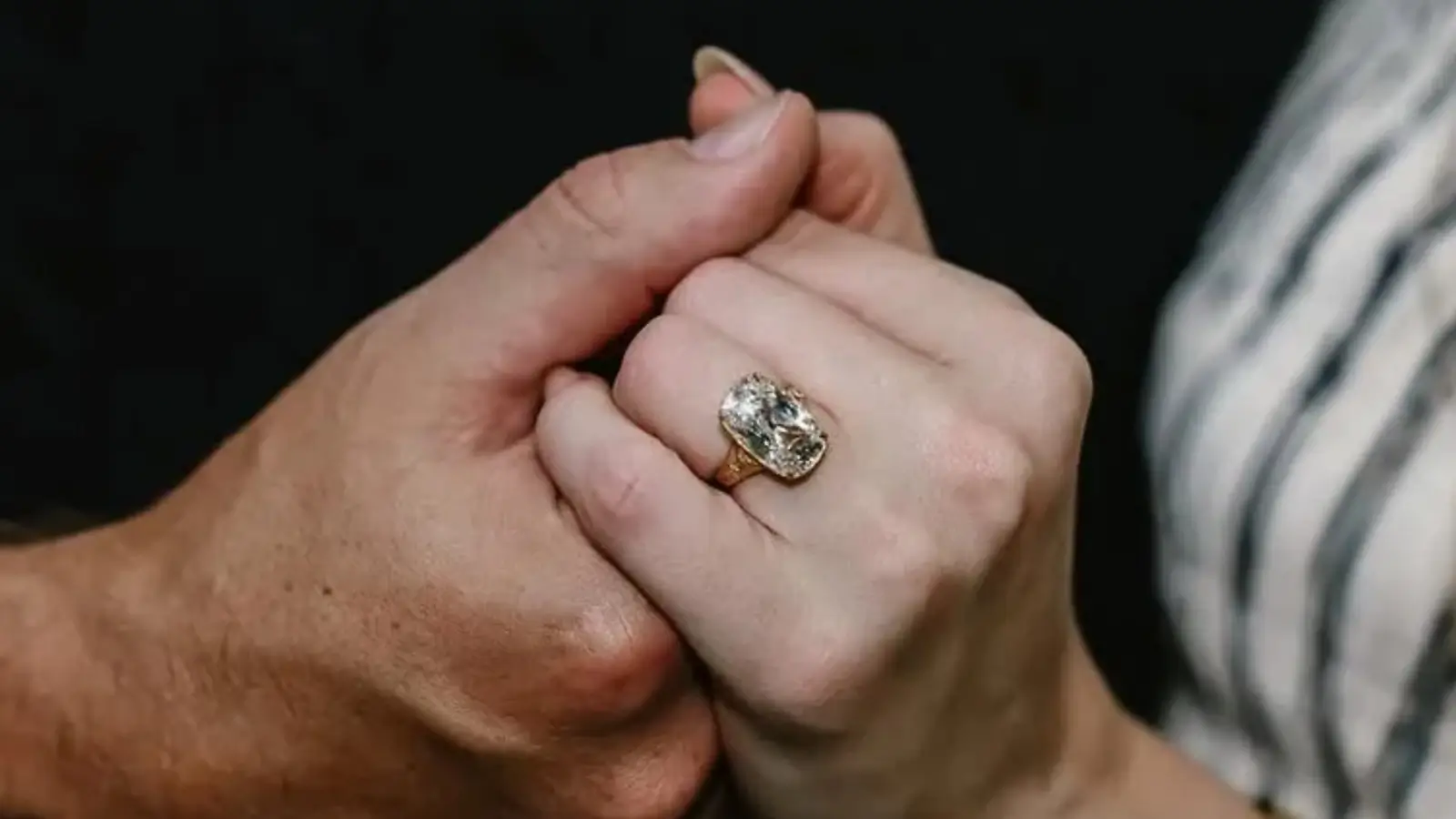
- Old mine cut diamonds are hand-cut antique stones produced primarily between the 1700s and early 1900s, prized for their warm romantic light performance and historical character.
- Their distinctive features include a cushion outline, high crown, small table, and open culet visible at the base of the stone.
- Old mine cuts are increasingly sought by collectors and estate jewelry buyers, commanding above-market premiums for the finest examples.
- Recutting an old mine cut to a modern brilliant is generally inadvisable for stones with collector value, as it eliminates the antique premium while reducing carat weight.
- Victorian, Edwardian, and Art Deco settings in yellow or rose gold best complement the antique character of old mine cut diamonds.
- JS Diamonds Inc has specialist expertise in evaluating, buying, and sourcing estate diamonds including old mine cuts.
In This Article
- What Is an Old Mine Cut Diamond?
- The History of Old Mine Cut Diamonds
- Anatomy of an Old Mine Cut: Key Visual Features
- Old Mine Cut vs. Modern Round Brilliant
- Old Mine Cut vs. Old European Cut
- Light Performance: The Candlelight Glow
- Value and Pricing of Old Mine Cut Diamonds
- Buying an Old Mine Cut Diamond: What to Look For
- Best Settings for Old Mine Cut Diamonds
- Selling an Old Mine Cut Diamond
- JS Diamonds Inc Serves Customers Nationwide
- Frequently Asked Questions
Of all the antique diamond cuts that predate modern precision cutting technology, the old mine cut is the most historically significant and among the most romantically evocative. These hand-cut stones, produced by master craftsmen working entirely by eye under candlelight, carry the fingerprints of individual human artistry in every facet junction. They glow differently from modern diamonds. They tell a different story. And for a growing community of collectors, estate jewelry enthusiasts, and buyers who want something genuinely unique and historically rooted, they are irreplaceable.
At JS Diamonds Inc, our specialists have deep expertise in antique diamond cuts including old mine cuts. Whether you are considering buying one, own one and want to understand its value, or are considering selling, this guide provides everything you need to understand this remarkable category of diamond.
1. What Is an Old Mine Cut Diamond?
An old mine cut diamond is a hand-cut diamond style that was the dominant form of diamond cutting from approximately the mid-18th century through the early 20th century, roughly 1750 to 1900. The term “old mine” refers to the historical diamond mines that supplied rough material during this period, primarily mines in Brazil and the legendary Golconda region of India, before the discovery of South African diamond deposits in the 1870s transformed the global supply.
Old mine cuts were produced entirely by hand, using simple rotary tools and abrasives, by craftsmen who had no access to modern optical measurement or light-performance modeling software. Every facet angle, every proportion decision, was made by eye and by feel, informed by generations of accumulated craft knowledge. This hand-made origin is one of the primary sources of the old mine cut’s distinctive character and collector appeal.
Every old mine cut diamond is in some sense one of a kind. Because they were cut by hand without standardized proportions, no two old mine cuts have exactly the same facet geometry. This individuality is a feature, not a flaw, and is a significant part of what distinguishes them from the precision uniformity of modern brilliant cuts.
2. The History of Old Mine Cut Diamonds
The old mine cut evolved from the earlier cushion-shaped rose cut and table cut styles as diamond cutters in the 17th and 18th centuries developed more sophisticated understanding of how to maximize light return in a faceted stone. By the mid-1700s, the old mine cut had emerged as the standard premium diamond cut style, featuring a roughly cushion-shaped outline, a high crown for light capture, and a significant number of facets — typically around 58 — that represented the cutting edge of the craft at the time.
Old mine cut diamonds were the diamonds of the Georgian and Victorian eras. They appear in the most significant jewelry of these periods: royal crown jewels, aristocratic heirloom pieces, high-society engagement rings, and fine estate jewelry that has survived through generations to reach the antique and estate market today. The finest old mine cut stones came from the great Indian mines of Golconda, which produced diamonds of legendary clarity and a subtle warmth of color that is now highly prized by collectors.
The old mine cut was gradually superseded by the old European cut in the late 19th century and then by the modern round brilliant cut in the early 20th century, as mechanized cutting tools and new mathematical models for light optimization transformed the craft. By the 1930s, old mine cuts were no longer being produced in quantity, which means all genuine old mine cut diamonds in existence today are at minimum 80 to 100 years old.
3. Anatomy of an Old Mine Cut: Key Visual Features
Identifying an old mine cut diamond requires understanding its distinctive anatomical features, which differ in several significant ways from modern brilliant cuts.
| Feature | Old Mine Cut | Modern Round Brilliant |
|---|---|---|
| Outline Shape | Cushion (rounded square) | Perfectly round |
| Table Size | Small (relative to diameter) | Large (optimized for light) |
| Crown Height | High | Moderate, standardized |
| Culet | Large, open (visible to naked eye) | None or very small point |
| Lower Half Facets | Short | Long, optimized |
| Girdle | Irregular, unpolished | Even, polished or faceted |
| Facet Precision | Hand-cut, slight irregularities | Machine-cut, precise |
The large open culet is one of the most immediately recognizable features of an old mine cut. When you look down through the table of the stone, you can see the culet as a visible circle or dot at the center of the stone’s base. In modern brilliant cuts, the culet is absent or reduced to a microscopic point to prevent this visual effect, which modern cutting standards consider undesirable. In old mine cuts, it is a period-authentic feature that collectors recognize and appreciate.
4. Old Mine Cut vs. Modern Round Brilliant
The most common comparison buyers and sellers encounter is between old mine cuts and modern round brilliant cuts. The two styles represent fundamentally different philosophies of diamond cutting, each optimized for a different lighting environment and aesthetic sensibility.
The modern round brilliant is engineered for maximum light return and scintillation under the electric lighting that dominates contemporary environments. Its precisely calculated 57 facets, standardized proportions, and perfectly round outline are designed to reflect as much light back to the viewer’s eye as possible, producing the intense, tight sparkle that has become the benchmark of quality in modern diamond retail.
The old mine cut was designed for candlelight and early gas lamp illumination. Under these softer, warmer, more directional light sources, the old mine cut’s larger facets, higher crown, and deeper pavilion produce larger, slower, more dispersed flashes of colored light — what collectors and gemologists describe as a “fire and warmth” quite different from the modern scintillation standard. Under electric lighting, old mine cuts appear softer and more romantic. Under candlelight, they genuinely come alive in ways that can make modern cuts appear almost harsh by comparison.
5. Old Mine Cut vs. Old European Cut
The old European cut, which succeeded the old mine cut in the late 19th century, is frequently confused with it by casual observers. Both are antique hand-cut styles with high crowns and open culets. The key distinction is in the outline: old mine cuts have a distinctly cushion-shaped (rounded square) outline that reflects their hand-cut origin, while old European cuts have a more consistently circular outline, representing the improved rotary cutting technology of the late Victorian and Edwardian periods.
Old European cuts are the immediate predecessor of the modern round brilliant and represent a transitional stage between the purely hand-cut old mine cut tradition and the machine-assisted precision that followed. Both styles are considered genuine antique cuts with collector value, and both are purchased and assessed by JS Diamonds Inc’s estate diamond specialists. For context on the broader antique diamond market and current pricing, see our guide on diamond price market insights.
Have an Old Mine Cut Diamond Assessed
JS Diamonds Inc has specialist expertise in antique and estate diamond cuts. Book a free consultation to receive a market-referenced valuation for your old mine cut stone.
6. Light Performance: The Candlelight Glow
The light performance of an old mine cut diamond is one of its most discussed and admired characteristics among collectors and estate jewelry enthusiasts. Because these stones were cut to perform under candlelight, they interact with soft, warm, directional light sources in a way that modern brilliant cuts simply do not replicate.
Under candlelight or warm incandescent bulbs, an old mine cut diamond produces large, bold flashes of spectral color, particularly red and orange fire, that can be deeply dramatic and romantic. The larger culet creates an internal visual depth that adds to the three-dimensional quality of the light play. The high crown catches and disperses light in broad patterns rather than the tight, almost stroboscopic sparkle of modern stones under LED lighting.
This quality makes old mine cuts particularly popular for engagement rings and heirloom pieces intended to be worn at candlelit dinners, evening events, and intimate settings. They are jewelry for living, not laboratory specimens optimized for gemological performance testing. For couples considering an old mine cut for a proposal ring, the romantic context of the stone’s light performance is worth experiencing in person before making a decision. Book a consultation at JS Diamonds Inc to see antique cut stones under various lighting conditions.
7. Value and Pricing of Old Mine Cut Diamonds
The value of an old mine cut diamond is determined by the same fundamental framework as any diamond: the 4Cs of cut quality, color, clarity, and carat weight. However, the antique cut adds a fifth dimension of value that does not exist for modern stones: historical character and collector premium.
For the highest quality old mine cuts, particularly large stones with exceptional color in the D-to-H range and VS or better clarity, the collector premium can be substantial. The finest Golconda-origin old mine cut diamonds have sold at major auction houses for prices that substantially exceed equivalent modern diamonds of similar weight and quality. Even more typical old mine cuts in the middle quality range carry some antique premium that a knowledgeable specialist buyer will recognize and reflect in their offer.
Color grading of old mine cuts requires particular care. Many old mine cuts were cut from rough that had a slight warmth of color, in the K to M range by modern GIA standards. What might appear as a color disadvantage in a modern stone context is often experienced as warmth and character in an antique cut, particularly when set in yellow gold. Buyers evaluating old mine cuts should consider how the color interacts with the intended setting rather than applying modern colorless-preference standards in isolation.
8. Buying an Old Mine Cut Diamond: What to Look For
Buying an old mine cut diamond requires slightly different evaluation criteria than buying a modern brilliant. Here is what to prioritize in a purchasing assessment.
Eye appeal is paramount. Because old mine cuts were not cut to mathematical formulas, the best way to evaluate one is simply to look at it carefully under different lighting conditions and assess whether it engages you visually. A well-cut old mine cut should display bold, colorful fire under warm light and maintain pleasing proportions when viewed from above.
Proportions matter, though not by the same standards as modern cuts. Look for stones with a reasonably high crown relative to depth, a table that does not dominate the face of the stone, and relatively even symmetry given the hand-cut origin. The cushion outline should be appealing and balanced, not obviously lopsided or irregular.
Documentation adds value. A GIA antique cut report for an old mine cut provides independent verification of quality characteristics and dramatically improves marketability and insurability. If the stone you are considering does not have a GIA report, factor the cost of obtaining one into your purchase decision. Our guide on top tips for selling loose diamonds covers the general importance of certification in diamond transactions.
9. Best Settings for Old Mine Cut Diamonds
Setting an old mine cut diamond in the right mounting transforms it from a loose stone into a complete jewelry object whose design language reinforces the stone’s historical character. The most harmonious settings for old mine cuts are those inspired by the eras in which they were originally cut and worn.
Victorian-era settings featuring elaborate metalwork, milgrain detailing, and yellow gold are a natural home for old mine cuts. Edwardian settings in platinum with delicate filigree and knife-edge shanks complement the feminine grace of many old mine cut stones. Art Nouveau designs with organic, nature-inspired motifs enhance the romantic, candlelit quality of the stone’s light performance. Art Deco geometric platinum settings provide a striking contrast between the angular modernity of the design and the warm antique glow of the stone.
Modern minimalist settings in white gold or platinum can also work for buyers who want the antique stone in a contemporary context, though the contrast between the stone’s warm light performance and a cool minimalist mounting is worth considering before committing to this path. Our jewelry repair and stone recutting teams at JS Diamonds Inc can advise on setting options and any restoration work that may be appropriate for estate pieces.
10. Selling an Old Mine Cut Diamond
Sellers with old mine cut diamonds should seek out buyers with specific expertise in antique and estate diamond cuts rather than general diamond buyers who may assess the stone purely on modern brilliant equivalent metrics and miss the antique premium entirely. A buyer who offers only the generic loose diamond wholesale value for a fine old mine cut without recognizing its collector premium is either uninformed or deliberately undervaluing the stone.
JS Diamonds Inc’s estate diamond specialists evaluate old mine cuts on both their intrinsic diamond quality and their antique character premium. We reference both the general loose diamond market and the specific estate and antique jewelry market when assessing old mine cut stones to ensure sellers receive the full value of what they own. For general guidance on the selling process, our guides on selling loose diamonds at a fair price and cash for diamonds provide relevant context.
11. JS Diamonds Inc Serves Customers Nationwide
Whether you are buying, selling, or simply seeking an expert assessment of an old mine cut diamond you own, JS Diamonds Inc provides specialist estate diamond expertise at every location.
Diamond and Estate Services
New York and National Diamond Locations
Related Articles
Frequently Asked Questions
What is an old mine cut diamond?
An old mine cut is a hand-cut diamond style produced primarily between the mid-1700s and early 1900s. It features a cushion-shaped outline, small table, high crown, large open culet, and approximately 58 facets cut by eye under candlelight. Each stone is unique due to the hand-cutting process and has a warm, romantic light performance quite different from modern brilliant cuts.
How does an old mine cut differ from a modern round brilliant?
Modern round brilliants have 57 to 58 precisely calculated facets optimized for maximum light return under electric lighting, a perfectly round outline, and no visible culet. Old mine cuts have a cushion outline, higher crown, smaller table, large open culet visible as a circle from above, and hand-cut facets with slight natural irregularities. The light performance is fundamentally different — warmer, softer, and more romantic.
Are old mine cut diamonds valuable?
Yes. Old mine cuts are genuinely valuable and increasingly sought by collectors and estate jewelry enthusiasts. Their value is based on the 4Cs plus an antique character premium. The finest examples, particularly large Golconda-origin stones, command prices significantly above equivalent modern diamonds of similar specifications.
Can an old mine cut be recut into a modern brilliant?
Technically yes, but it is generally inadvisable for stones with collector value. Recutting reduces carat weight by 10% to 20% and permanently eliminates the antique character that is often the primary source of above-market value. Our stone recutting specialists can advise on whether recutting is appropriate for your specific stone.
What settings work best with old mine cut diamonds?
Victorian, Edwardian, Art Nouveau, and Art Deco-inspired settings in yellow gold or rose gold best complement the antique character and warm light performance of old mine cuts. Milgrain edging, filigree work, and period-appropriate design details create the most harmonious pairings.
How do I identify an old mine cut diamond?
Look for a cushion-shaped (not round) outline, a visible open culet as a circle or dot when viewed face-down through the table, a high crown relative to overall depth, a small table facet, and slight irregularities in facet geometry consistent with hand-cutting. A gemologist can confirm identification under magnification.
Where is the best place to sell an old mine cut diamond?
Specialist estate jewelry and antique diamond buyers who recognize and pay for the antique premium deliver the best returns. JS Diamonds Inc has specific expertise in evaluating old mine cuts on both their intrinsic quality and their collector market value. Book a consultation for a complete assessment.
Do old mine cut diamonds have GIA certificates?
GIA issues specialized antique and vintage diamond grading reports for old mine cuts. These reports document the cut style, measurements, and quality grades and significantly improve the stone’s marketability and insurability. If your old mine cut lacks documentation, obtaining a GIA report before selling is worth considering for any stone of significant value.
