


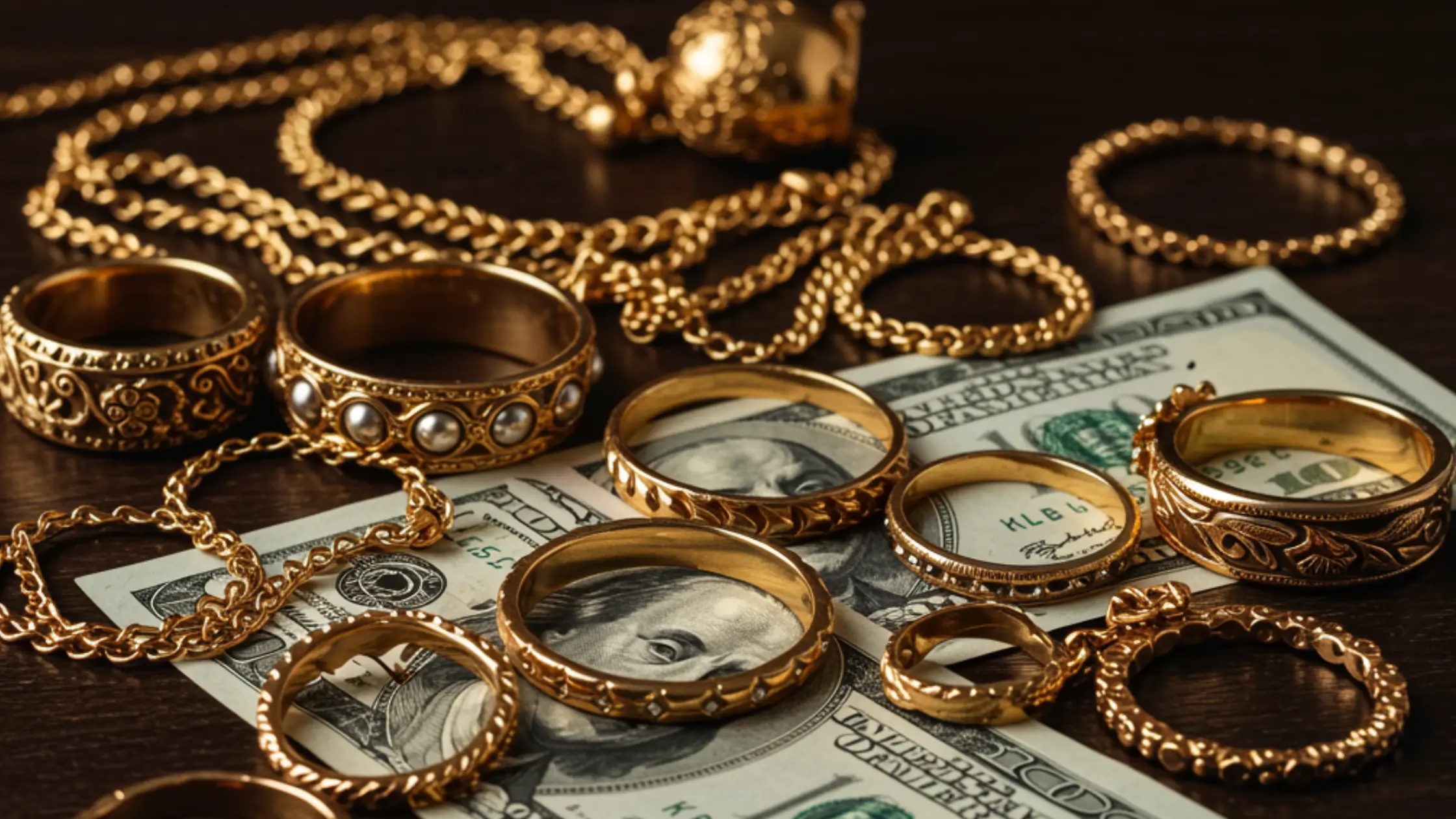
When it comes time to part with fine jewelry, many people face the same dilemma: should you trade it in for something new, or sell it outright for cash? The answer isn’t universal. The right decision depends heavily on the type of jewelry you own, its condition, its emotional value, and what you plan to do next.
Some pieces are better suited for direct cash sales, while others hold more value when traded toward an upgrade. Understanding the difference can help you avoid rushed decisions and ensure you receive fair value – both financially and emotionally. This guide breaks down how to choose between a trade-in and a cash sale based on your jewelry type, so you can move forward with clarity and confidence.
Understanding the Core Difference Between Trade-In and Cash Sale
Before evaluating your jewelry, it’s important to understand what each option actually offers.
A cash sale means selling your jewelry for its immediate market value. This option prioritizes liquidity—you receive money that can be used for any purpose, whether that’s an investment, a major purchase, or personal expenses.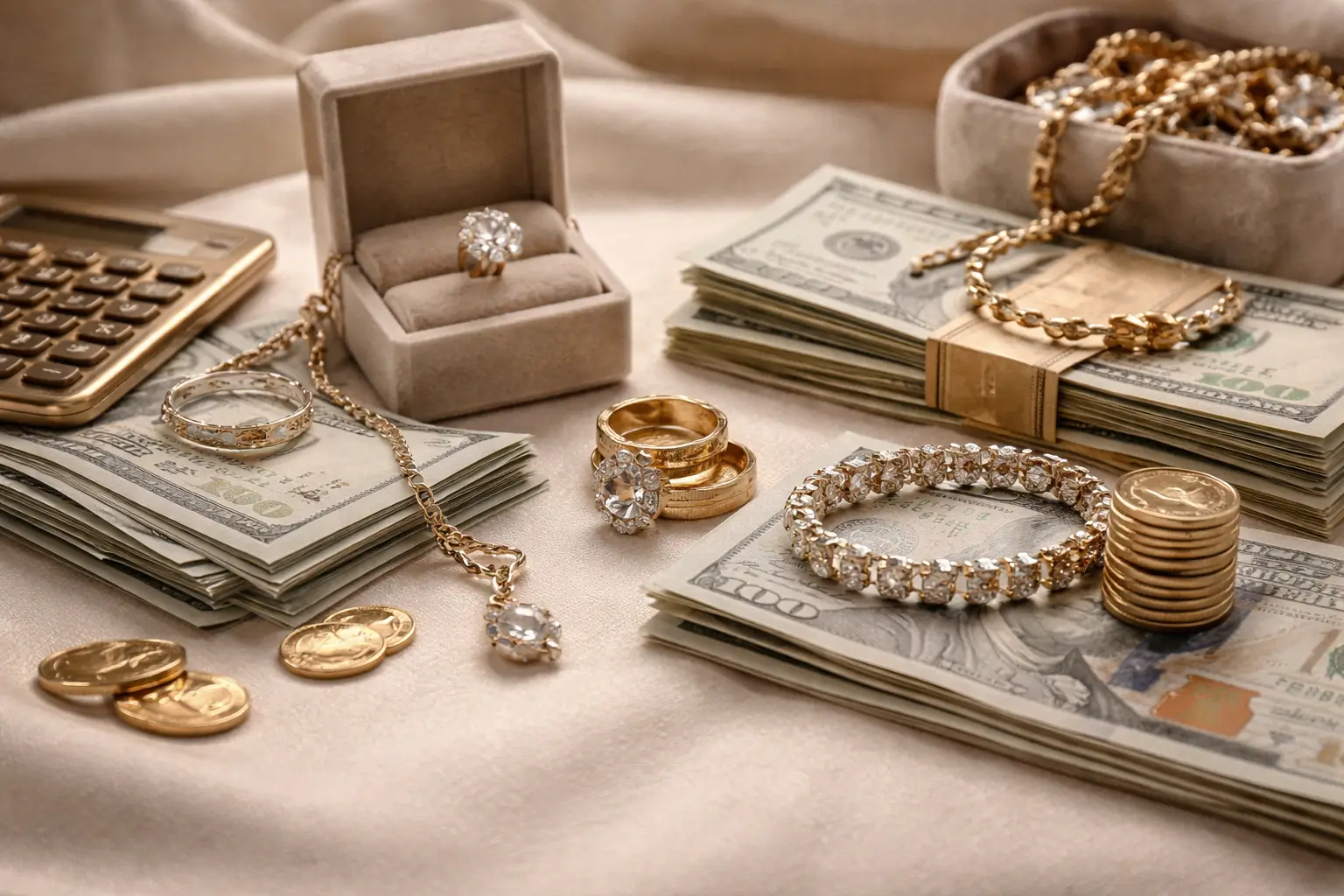
A trade-in, on the other hand, allows you to apply the value of your existing jewelry toward a new piece. This option often appeals to those looking to upgrade, redesign, or replace older jewelry with something more aligned to their current lifestyle or taste.
Neither option is inherently better. The key lies in how well each aligns with your jewelry type and future goals.
How Jewelry Type Influences the Best Choice
Not all jewelry holds or transfers value in the same way. Factors such as material, age, craftsmanship, and market demand play a major role in determining whether a trade-in or cash sale makes more sense.
Diamond Jewelry: Sell or Trade Based on Stone Quality
Diamond jewelry is one of the most flexible categories when deciding between a trade-in or cash sale. The value of diamond pieces is often tied more closely to the quality of the stone than to the design itself.
If your diamond has strong characteristics – such as excellent cut, good color, and eye-clean clarity – it may perform well in either scenario. Those looking for liquidity often explore trusted diamond buyers in NYC to understand current market pricing before making a decision.
For individuals planning to upgrade their engagement ring or redesign a piece, a trade-in can be a strategic option. In many cases, choosing to sell diamonds in NYC and reinvest that value into a new design allows for a cleaner transition without holding onto outdated settings.
Gold Jewelry: Cash Value Often Leads the Decision
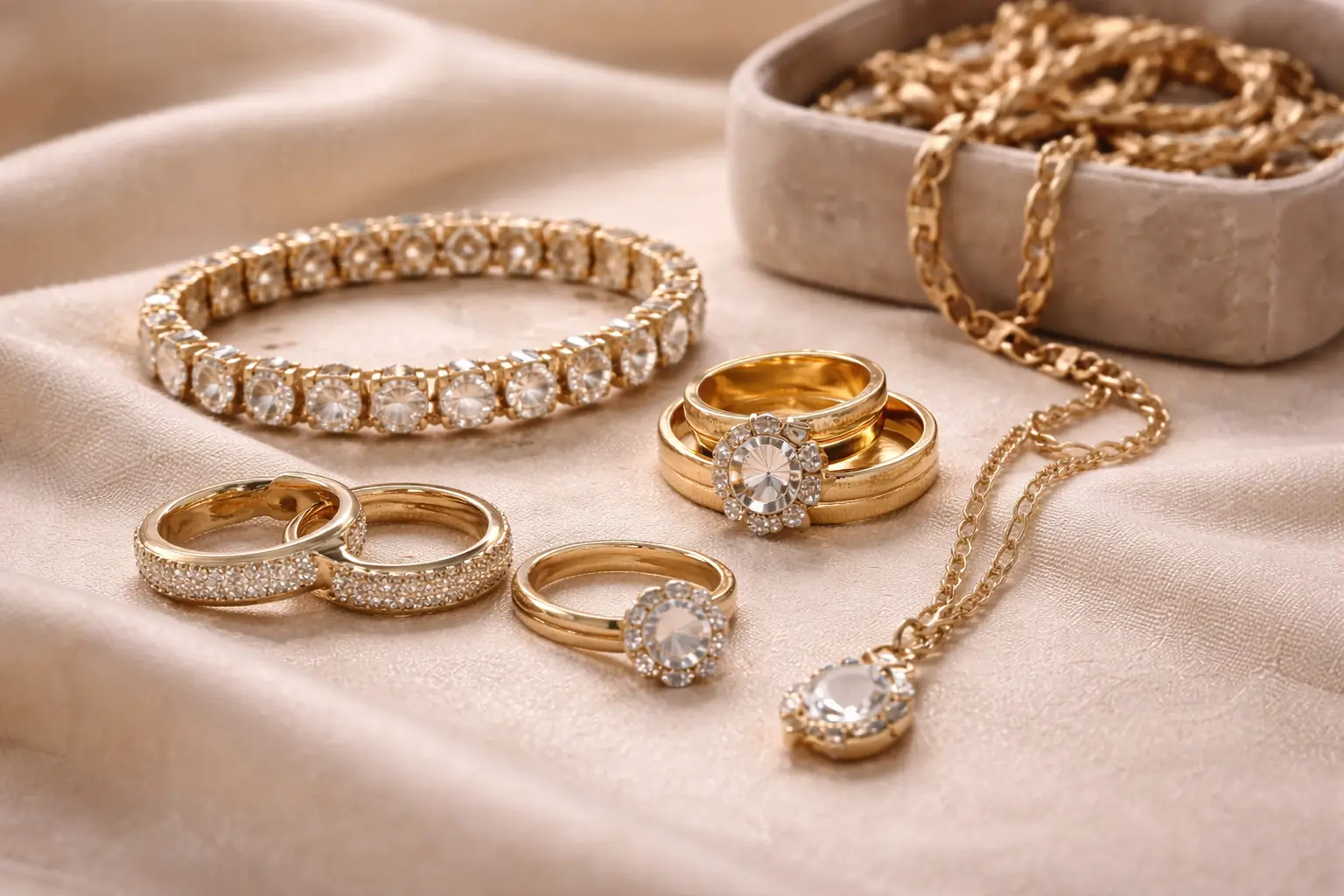
Gold jewelry behaves differently from diamonds because its value is closely tied to weight and market price rather than design.
Older gold jewelry, broken pieces, or styles that are no longer worn often make more sense as a cash sale. In these cases, selling based on gold purity and weight provides transparency and immediate value. Many people choose to sell gold jewelry in NYC when the goal is to simplify collections or fund other priorities.
Trade-ins may still work for gold jewelry if the piece has design relevance or sentimental value, but in most cases, a cash sale offers more flexibility.
Estate and Heirloom Jewelry: Emotional and Financial Considerations
Estate and inherited jewelry require a more nuanced approach. These pieces often carry emotional significance alongside material value.
If the jewelry reflects an older style that doesn’t align with modern preferences, selling or trading it may feel difficult. A trade-in can sometimes be the right compromise, allowing you to preserve the emotional legacy while transforming the material into something wearable.
However, when emotional attachment is minimal, a cash sale may be the more practical option – especially if the piece contains diamonds or gold that can be fairly evaluated independently.
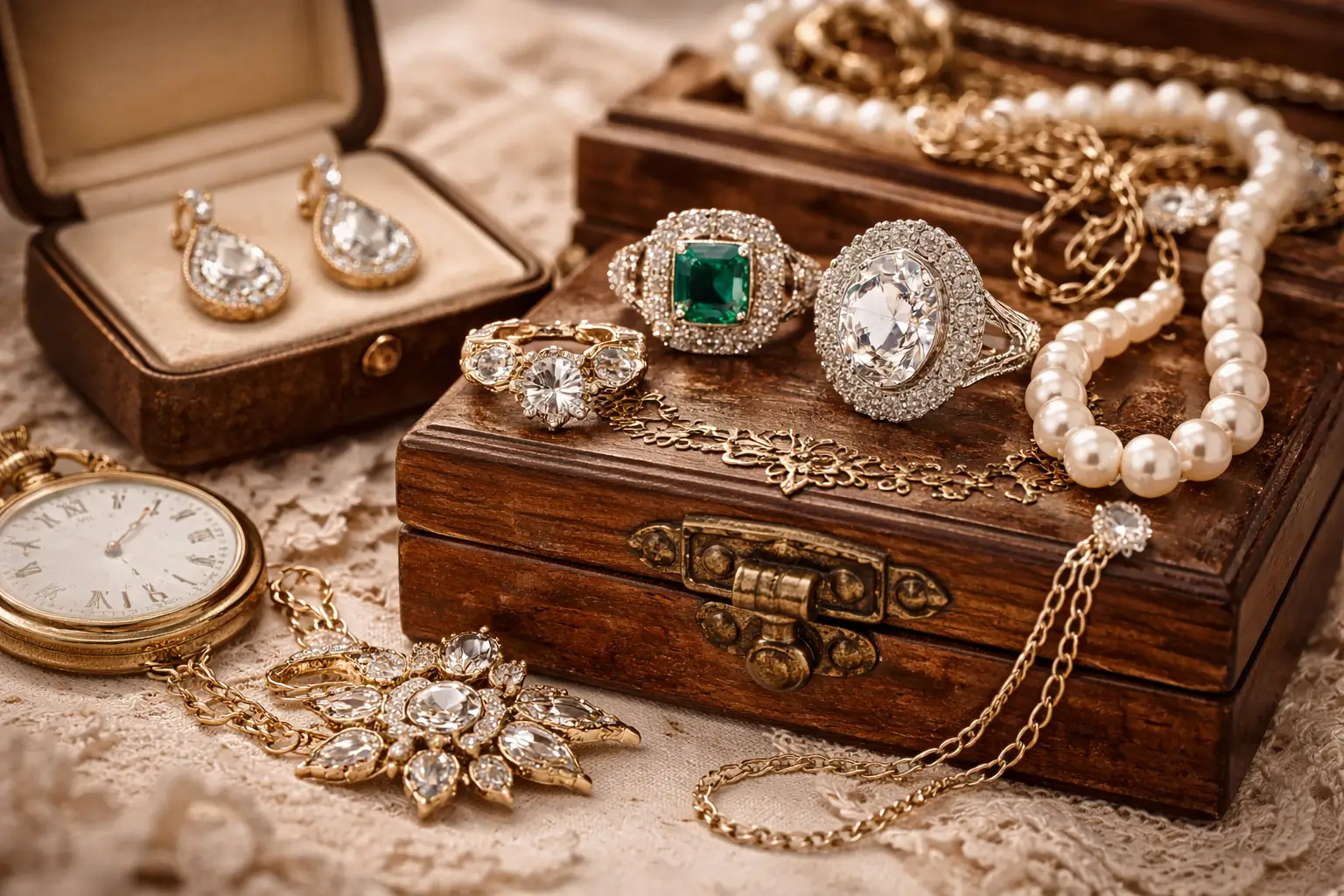
Designer and Branded Jewelry: Case-by-Case Evaluation
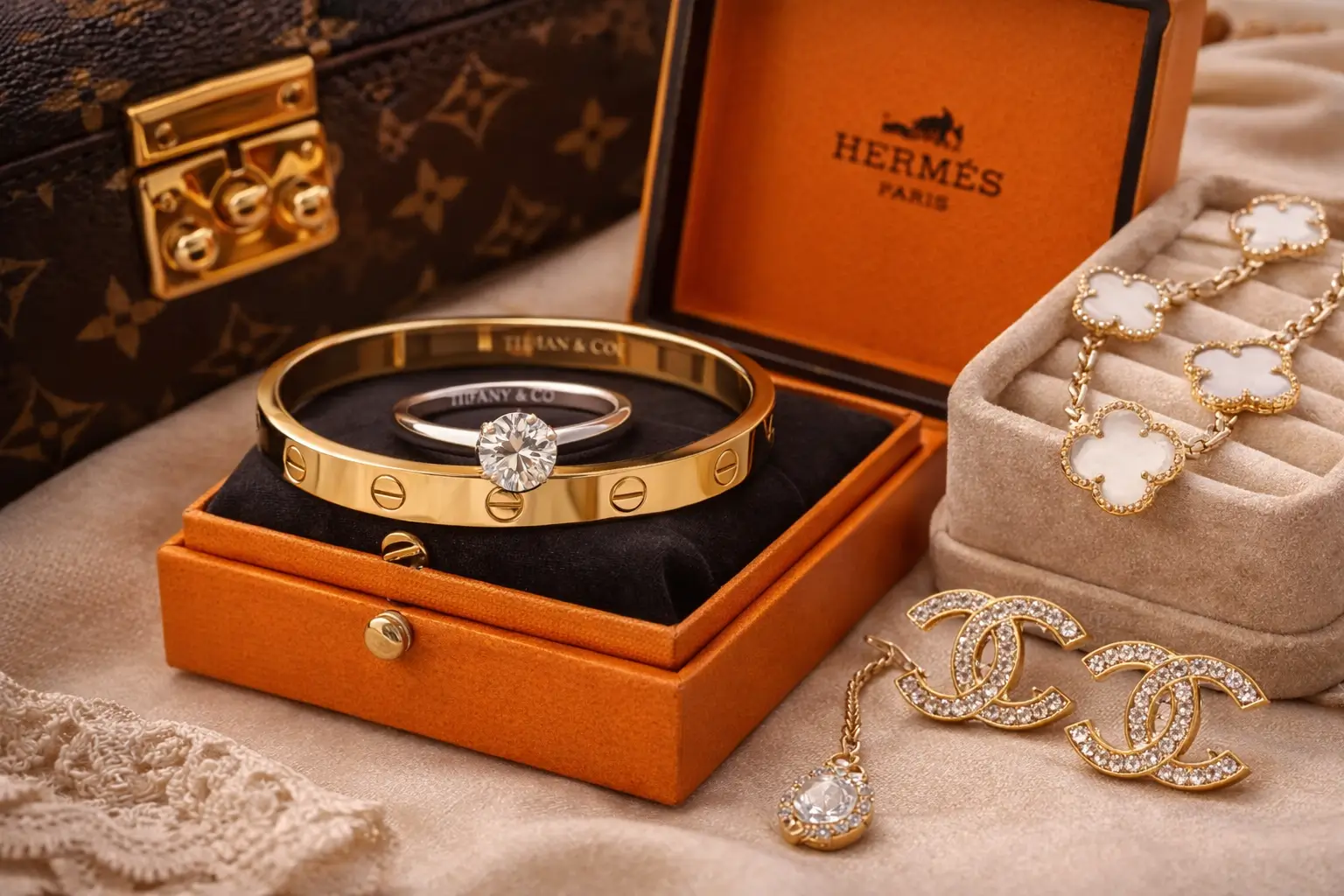
Designer jewelry sits in a unique category. Brand recognition can add value, but only when demand exists in the resale market.
In some cases, selling designer jewelry outright yields better results than a trade-in, particularly if the brand retains strong recognition. In others, the brand premium diminishes, and the intrinsic value of the materials becomes the primary factor.
A professional evaluation helps clarify whether brand equity enhances value or if the piece should be assessed based on materials alone.
Decision Guide: Trade-In vs Cash Sale by Jewelry Type
| Jewelry Type | When Trade-In Makes Sense | When Cash Sale Is Better |
|---|---|---|
| Diamond Rings | Upgrading or redesigning into a new ring | Seeking liquidity or downsizing assets |
| Gold Jewelry | Sentimental pieces to be repurposed | Broken, unused, or outdated designs |
| Estate Jewelry | Emotional legacy with redesign intent | No personal attachment or relevance |
| Designer Jewelry | Strong resale demand within brand | Material value outweighs brand premium |
This comparison helps ensure decisions are based on both value and intention, not assumptions.
Factors Beyond Jewelry Type That Affect Your Choice
While jewelry type is critical, personal circumstances also matter. Your timeline, financial needs, and future plans all influence whether trading or selling is the better option.
Ask yourself:
- Do I need immediate cash, or am I planning a future purchase?
- Am I emotionally attached to this piece?
- Will I realistically wear an upgraded version?
Clear answers to these questions often make the decision far easier.
The Importance of Transparent Evaluation
Regardless of which path you choose, transparency is essential. A professional evaluation should clearly explain:
- How the jewelry is being assessed
- What factors affect pricing
- Whether alternative options exist
This is especially important when working with diamonds and gold, where market conditions and quality differences can significantly impact value.
FAQs
How do I know whether my jewelry is better suited for a trade-in or a cash sale?
The decision depends on both the jewelry type and your personal goals. If you plan to upgrade or redesign, a trade-in often provides continuity and emotional value. If flexibility and immediate funds are more important, a cash sale is typically the better option. A professional evaluation helps clarify which path offers the most benefit.
Are trade-in values usually higher than cash sale offers?
Not necessarily. Trade-in values may feel higher because they are applied toward a new purchase, but the underlying value is often similar. The advantage lies in convenience and continuity rather than pure financial gain.
Can I change my mind after getting an evaluation?
Yes. A transparent evaluation should never pressure you into a decision. Understanding both trade-in and cash sale options allows you to decide based on comfort and clarity rather than urgency.
Is it better to sell diamonds and gold together or separately?
Selling separately often provides more accurate valuation, as diamonds and gold are priced differently. This approach ensures you understand exactly where the value lies within each component.
What documentation should I bring when selling or trading jewelry?
Any certificates, appraisals, or original purchase documents are helpful, but not mandatory. An experienced evaluator can assess jewelry based on quality and condition even without prior paperwork.
How JS Diamonds Helps You Make the Right Choice
At JS Diamonds, we specialize in evaluating fine jewelry with clarity, transparency, and respect for both emotional and financial value. Whether you’re deciding between a trade-in or a cash sale, our team helps you understand your options without pressure.
We work with clients looking to sell diamonds, gold jewelry, and fine pieces, as well as those seeking to transition existing jewelry into something new. Our goal is simple: help you make informed decisions that align with your needs.
To see real evaluations, transformations, and insights from our team, explore @foreverringsbysal and stay connected with our latest updates.
