


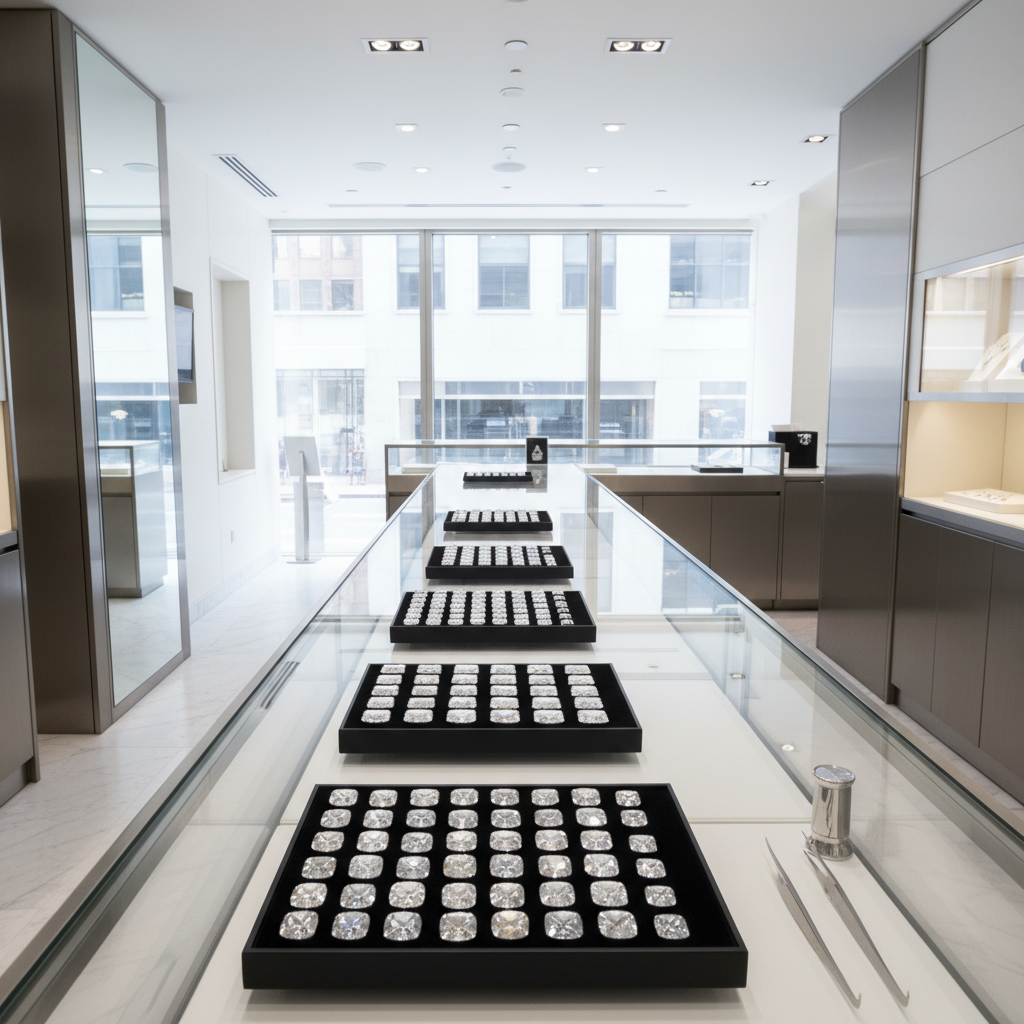
To find a diamond, define your must-haves (shape, size, cut), learn the 4Cs, choose between natural and lab-grown, and compare GIA-graded stones side by side. In New York’s Diamond District, book a secure appointment, inspect under proper lighting, confirm documentation, and work with transparent experts who explain every detail.
By Sahil Parikh · Last updated: April 15, 2026 · Location: 580 5th Ave #523, New York, NY 10036
Start Here: How to Find a Diamond (TOC)
Begin by setting clear priorities for cut, shape, and size, then verify quality using trusted grading reports (e.g., GIA). Compare a short list in-person under neutral lighting, confirm return policies, and secure documentation. In NYC, schedule a private appointment to evaluate stones safely, side by side, with expert guidance.
- Quick Summary
- Quick Answer
- Local Tips
- What Is “Find a Diamond”?
- Why Finding the Right Diamond Matters
- How to Find a Diamond in New York (Step-by-Step)
- Types & Methods
- Best Practices
- Tools & Resources
- Pricing Without Surprises
- Case Studies & Examples
- FAQ
- Conclusion & Key Takeaways
- Related Articles
Quick Summary
Finding a diamond is a focused process: clarify priorities, learn the 4Cs, decide natural vs lab-grown, and compare GIA-graded stones in person. Use a trusted NYC buyer with private appointments, transparent explanations, and same-day documentation so you leave confident in value, beauty, and long-term durability.
- Focus on cut first: Cut precision drives sparkle; round brilliants typically have 57–58 facets that maximize light return.
- Use credible grading: GIA grading reports standardize color (D–Z) and clarity (FL–I3) so you compare apples to apples.
- Natural vs lab-grown: Chemically identical; market dynamics and resale expectations differ. Align choice to goals.
- See it in person: Neutral lighting and magnification reveal performance, symmetry, and any inclusions near the table.
- Work with experts: JS Diamonds Inc offers secure, discreet appointments in the Diamond District with clear guidance and immediate documentation.
Quick Answer
To find a diamond in New York, book a private appointment at JS Diamonds Inc (580 5th Ave #523) to compare GIA-graded stones side by side. Our diamond buyers in NYC walk you through the 4Cs and help you choose natural or lab-grown options that match your priorities.
Local Tips
- Tip 1: Plan appointments around Midtown traffic; 47th Street near 5th Avenue gets busy. The B/D/F/M to 47–50 Sts Rockefeller Center is often faster than driving.
- Tip 2: Winter sunsets arrive early—ask to view stones under both daylight-equivalent and indoor LED to judge true color and brilliance.
- Tip 3: If you’re trading in a ring, bring prior certificates and repair history. Our team can assess upgrades, resizing, or stone recutting during one visit.
IMPORTANT: These tips align with our private, expert-led evaluations in the Diamond District—optimized for safety, clarity, and speed.
What Is “Find a Diamond”?
“Find a diamond” refers to identifying, evaluating, and selecting a diamond that meets specific goals for beauty, durability, and documentation. It means learning the 4Cs, deciding natural or lab-grown, and verifying quality with reliable grading, inspection, and expert guidance before you commit to a purchase.
- Goal-driven selection: Define your primary outcome—maximum sparkle, specific carat goal, vintage look, or best everyday durability.
- Education first: The 4Cs (cut, color, clarity, carat) are standardized frameworks that make comparisons objective.
- Proof of quality: GIA reports, laser inscriptions, and magnified inspection help confirm authenticity and specs.
- NYC advantage: The Diamond District concentrates inventory and expertise, enabling same-day side-by-side evaluations.
In our experience serving thousands of clients, defined goals plus transparent documentation deliver the smoothest path to the right stone—and the fewest second guesses later.
Why Finding the Right Diamond Matters
Choosing the right diamond protects your investment and ensures daily enjoyment. Cut quality drives visual performance, documentation supports insurance, and suitable settings improve longevity. When you align priorities to the 4Cs, you maximize sparkle, value retention, and confidence every time the ring catches light.
- Everyday beauty: A well-cut diamond returns more light; many round brilliants target proportions that balance fire, brilliance, and scintillation.
- Documentation for protection: Grading reports, measurements, and laser inscriptions streamline insurance and future servicing.
- Longevity: Proper settings (e.g., protective bezels for active lifestyles) reduce the risk of chipping along girdles or pointed corners.
- Confidence in trade-ins: Clear paperwork and stable quality specs make future upgrades or trade-ins faster and simpler.
Want expert eyes on your options? Our NYC team provides discreet, appointment-based reviews—ideal if you’re comparing multiple stones or planning an upgrade through our Sell Diamonds NYC process.
How to Find a Diamond in New York (Step-by-Step)
Set priorities, shortlist 3–5 GIA-graded stones, and compare them in the Diamond District under neutral lighting with magnification. Validate reports and laser inscriptions, choose a secure setting, and document everything. Working with a trusted NYC buyer ensures clarity, safety, and a smooth path from selection to ring.
- Clarify goals: Rank cut, size, shape, and color importance. Decide on natural vs lab-grown based on personal values and long-term plans.
- Build a shortlist: Filter by 4Cs and measurements. Keep table, depth, and symmetry in mind to avoid light leakage.
- Book a private appointment: Evaluate 3–5 stones side by side in our Diamond District office for objective comparisons.
- Inspect performance: View under daylight-equivalent and LED lighting. Check facet precision and any eye-visible inclusions.
- Verify documentation: Match grading report numbers to laser inscriptions and confirm fluorescence details.
- Select the setting: Choose prongs, bezel, or halo to balance style, finger coverage, and protection for corners and points.
- Finalize and document: Photograph the stone, save PDFs of reports, and keep measurements for insurance valuation.
Pro tip: Many shoppers find the right diamond faster by focusing on cut and eye-clean clarity first—then flexing color and carat within their visual preferences.
At-a-Glance Process Table
| Stage | What to Do | Why It Matters |
|---|---|---|
| Priorities | Rank cut, shape, size, color | Ensures trade-offs fit your goals |
| Shortlist | Narrow to 3–5 GIA-graded options | Makes side-by-side comparisons efficient |
| Inspection | Check light return and inclusions | Confirms beauty and durability |
| Verification | Match report to laser inscription | Authenticates identity and specs |
| Setting | Choose prongs, bezel, or halo | Balances style and protection |
Types of Diamonds & Methods to Find Yours
Choose between natural and lab-grown diamonds, then match shape and cut style to your look. Use private NYC appointments to compare GIA-graded stones, and consider trade-in or upgrade paths. Prioritize cut quality, eye-clean clarity, and proportions that deliver bright, balanced light return.
Natural vs Lab-Grown (Chemically Identical, Different Market Dynamics)
- Chemistry: Both are crystalline carbon (sp3). Lab-grown are created via HPHT or CVD processes; natural form over geological time.
- Documentation: Leading labs disclose growth origin and may laser-inscribe “LABGROWN” for clarity.
- Market behavior: Consumer demand and resale expectations differ; align to personal values and time horizon.
Popular Shapes and What They Signal
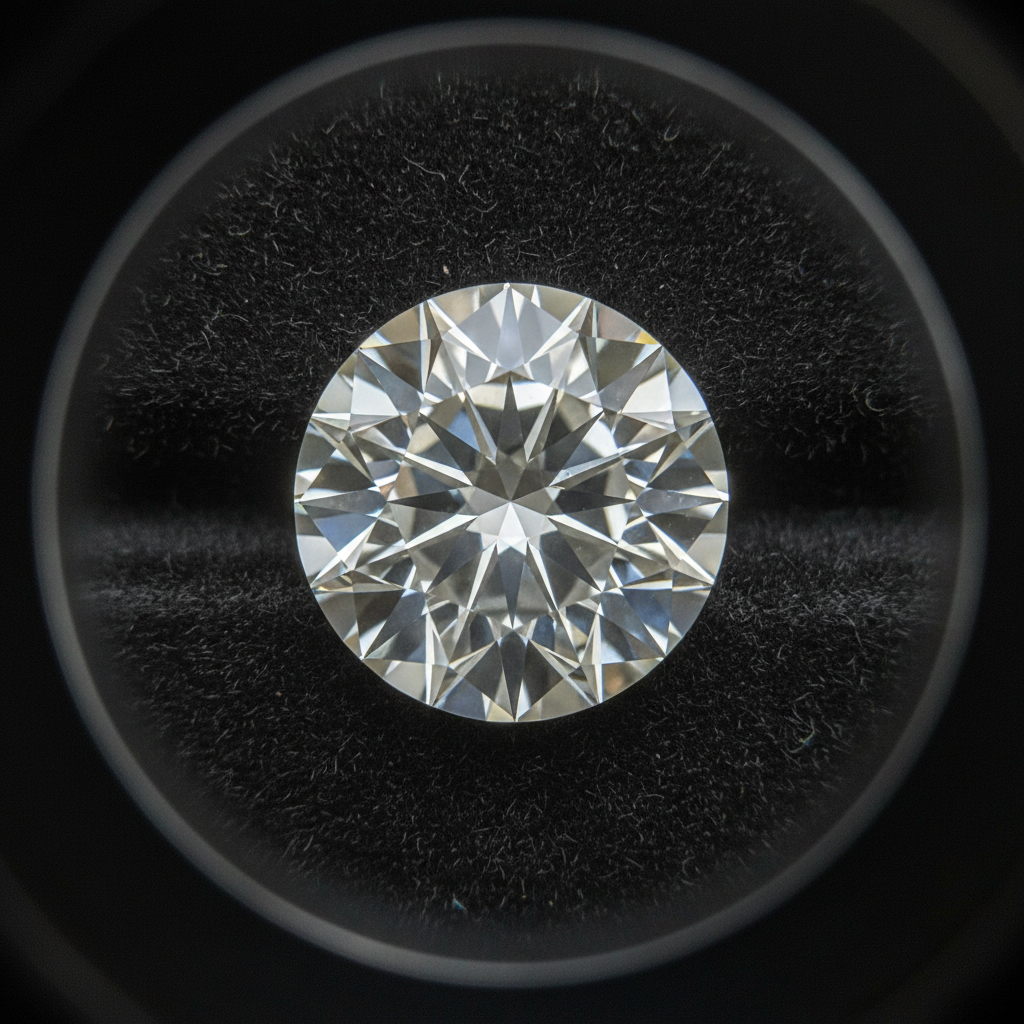
- Round brilliant: Maximum light return and versatility; typically 57–58 facets engineered for sparkle.
- Oval & elongated shapes: Finger-lengthening look; watch for bow-tie effects under bright light.
- Emerald & Asscher: Step-cut elegance; clarity is more visible due to broad, open facets.
- Princess, cushion, radiant: Modern and brilliant; corners need protection in settings.
- Pear & marquise: Vintage flair with points to protect; symmetry and outline balance are critical.
Where and How to Search
- Private NYC appointments: Fastest way to compare multiple stones safely and discretely in one sitting.
- Upgrade paths: If trading in, our NYC diamond buyers streamline evaluation and same-day documentation.
- Estate or mixed collections: Consolidate diamonds, gold, and watches in one visit; our team handles all categories under one roof.
Comparison Table: Natural vs Lab-Grown
| Aspect | Natural Diamonds | Lab-Grown Diamonds |
|---|---|---|
| Origin | Geological formation over millions of years | HPHT or CVD grown in controlled lab conditions |
| Chemistry | Pure carbon, crystalline (sp3) | Same chemical and optical properties |
| Documentation | GIA reports specify natural origin | Reports disclose lab-grown origin and inscriptions |
| Visual Performance | Determined by cut, proportions, and polish | Equally dependent on cut quality and precision |
| Considerations | Tradition and rarity appeal | Technology-forward option with rapid availability |
Best Practices to Find a Diamond You’ll Love
Prioritize cut quality, verify with credible grading, and judge stones in person under neutral lighting. Balance eye-clean clarity with color you’re comfortable with, select a protective setting, and document everything for insurance. Keep a simple checklist to make confident, repeatable comparisons.
- Cut first: Higher cut precision usually delivers the most noticeable sparkle gains to the human eye.
- Eye-clean clarity: An inclusion hidden near the girdle often looks better than one under the table at the same grade.
- Color in context: White metal settings (platinum/white gold) tend to show color more; yellow gold can be forgiving.
- Lighting variety: View under daylight-equivalent and warm LED to see real-world performance.
- Security: Choose settings that protect corners (e.g., prongs with V-tips for princess/pear/marquise shapes).
- Documentation habit: Photograph the stone, save PDFs, and note measurements for future servicing.
- Local convenience: If you plan to upgrade later, buy with a partner who supports trade-ins and repairs in NYC.
Tools & Resources That Speed Up Selection
Use a jeweler’s loupe, neutral lighting, and standardized grading reports to compare stones quickly and objectively. Add simple viewers (ASET or Hearts-and-Arrows) to visualize light behavior, and organize notes with a checklist so you can revisit favorites confidently after the appointment.
- Grading reports: GIA reports outline 4Cs, measurements, fluorescence, and finish—your foundation for objective comparison.
- 10× loupe: Reveals inclusions, polish lines, and facet junctions; many shoppers spot eye-visible features easily at this magnification.
- Lighting: Daylight-equivalent and LED reveal different aspects of brilliance and fire; evaluate under both.
- Viewers: ASET and Hearts-and-Arrows viewers can illustrate light return and optical symmetry on select cuts.
- Checklists: Keep a one-page sheet to track color, clarity, inclusion map notes, and personal impressions.
- Local partners: Our team can also address resizing or prong work through diamond buyers in NYC who coordinate repairs and upgrades.
Pricing Without Surprises: What Drives Diamond Value
Diamond value is driven by a mix of 4Cs, cut precision, shape demand, and documentation. Market conditions and fluorescence can influence offers at the margins. Focus on beauty-to-spec alignment and complete paperwork to support insurance, service, and potential future trade-ins or upgrades.
- 4Cs interplay: Cut, color, clarity, and carat interact; small shifts in one area can rebalance beauty and value.
- Proportions matter: Table and depth percentages influence brightness and contrast, especially in brilliant cuts.
- Shape demand: Round remains widely popular; elongated shapes follow strong style cycles.
- Fluorescence: Document its presence; impact varies by color grade and lighting context.
- Paperwork: GIA grading and laser inscriptions help retain clarity for insurers and future upgrades.
For a deeper perspective on professional buyer criteria and market context, see this overview of NYC diamond buyers in 2025 and a comparative look at Chicago vs NYC diamond markets.
Case Studies & Examples (NYC Scenarios)
Real NYC scenarios show how clear priorities and expert guidance shorten the search. From trade-ins to stone recutting, focused steps—set goals, compare, verify—lead to confident choices. Immediate documentation and local services keep selection, setting, and aftercare under one roof in Midtown.
- Trade-in upgrade: A client brought a 1.0 ct round with a dated setting. We evaluated their goals, compared three GIA-graded rounds, and secured a new stone with stronger light return. Our team handled the trade-in through our Sell Diamonds NYC process and set the new diamond the same week.
- Stone recutting for performance: An emerald cut lacked life under office lighting. Through stone recutting services, we improved facet precision, elevating brilliance and symmetry. The original character remained, but the performance improved visibly under LED and daylight-equivalent lights.
- Repair plus selection: A customer seeking a new center stone also needed prong tightening. Our team coordinated selection and jewelry repair, delivering a secure, everyday-wear setting and complete documentation for insurance.

FAQ
Common diamond-finding questions center on the 4Cs, lab-grown vs natural choices, and how to verify quality. Always compare GIA-graded stones side by side in person, under neutral lighting, and match reports to laser inscriptions before you commit.
How do I choose between natural and lab-grown?
Both are real diamonds with the same chemistry. Decide based on personal values, market behavior, and upgrade expectations. Focus on cut quality first either way, and confirm origin disclosure on the grading report.
What’s the fastest way to shortlist?
Filter by cut parameters and eye-clean clarity, then accept a comfortable color range. Narrow to 3–5 GIA-graded stones and schedule a side-by-side comparison under neutral lighting.
How important is fluorescence?
Document it and view under varied lighting. In some mid-color stones, faint-to-medium fluorescence can appear neutral; in others it may influence appearance. Judge case by case with your own eyes.
Do I need a loupe?
A 10× loupe helps you locate inclusions and evaluate polish lines and facet junctions. It’s not mandatory, but it speeds up understanding and makes conversations with jewelers more precise.
Can I trade in an old ring during selection?
Yes. Bring prior certificates and any service records. Our team can evaluate trade-in options the same day and coordinate setting, resizing, or repairs so your upgrade is seamless.
Conclusion & Key Takeaways
The best way to find a diamond is to prioritize cut, compare GIA-graded options in person, and document everything. A trusted NYC appointment streamlines inspections, settings, and trade-ins—so you leave with a stone that shines daily and paperwork that protects long term.
- Cut leads decisions: Target precision and proportions that deliver bright, balanced sparkle.
- Compare in person: Neutral lighting and magnification reveal true performance.
- Trust documentation: GIA reports and laser inscriptions anchor identity and insurance.
- Think ahead: Choose partners who support trade-ins, repairs, and setting security locally.
- Next steps: Book a private Midtown appointment, bring any past paperwork, and prepare a short list of 3–5 stones to evaluate side by side.
Related Articles
Explore how professional buyers evaluate stones and how different markets compare. For broader context from our team, see our overview of diamond buyers in NYC and our perspective on Chicago vs NYC dynamics for diamond sellers and buyers.
Final CTA: Ready to compare GIA-graded diamonds side by side in Midtown? Book a private session at 580 5th Ave #523. Our experts will help you find a diamond that matches your look, lifestyle, and documentation needs—calm, clear, and confident.
