


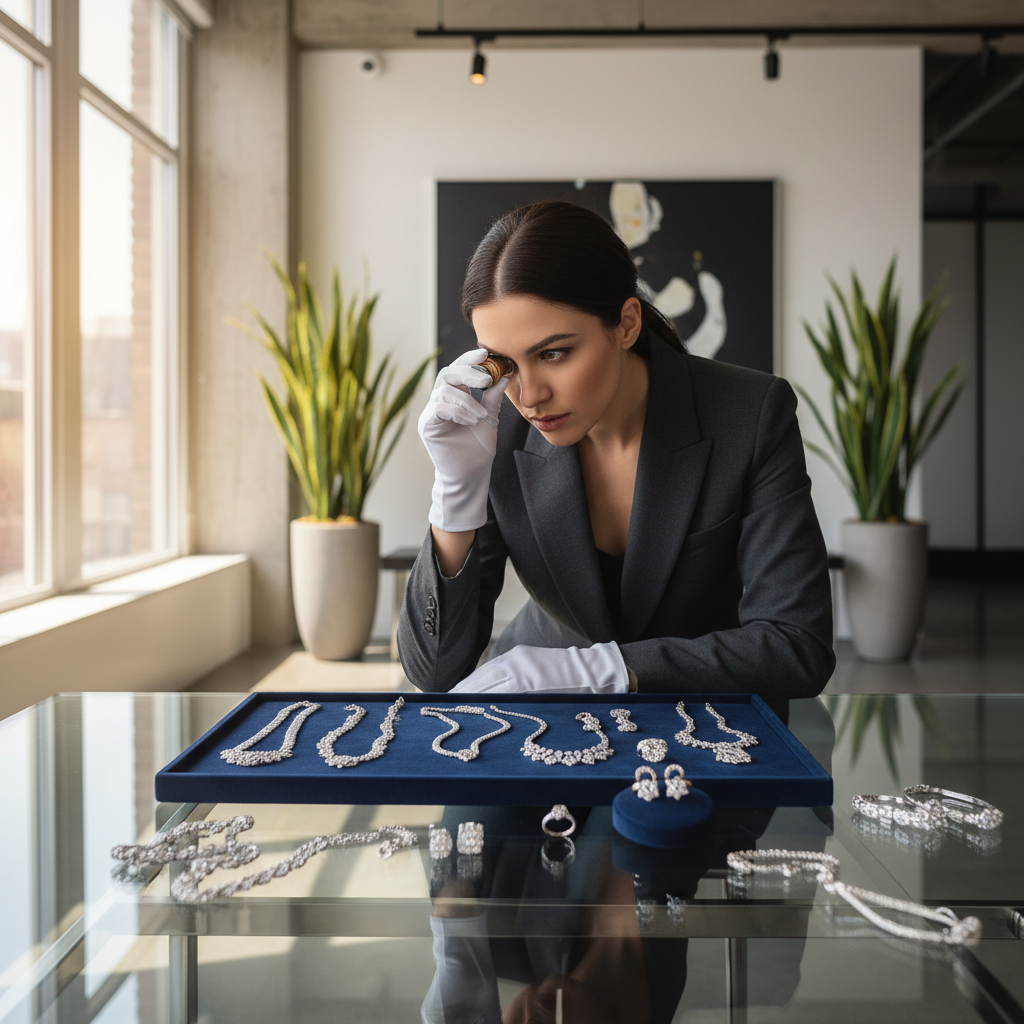
Diamond jewelry buyers are professional evaluators who purchase diamond-set rings, earrings, bracelets, and pendants for immediate payment. In New York, JS Diamonds Inc offers private appointments, transparent assessments, and secure same-day bank transfers so you can sell with confidence. This complete guide explains every step from intake to payout, tailored for NYC sellers.
By Sahil Parikh — JS Diamonds Inc
Last updated: 2026-05-20
Above-Fold Section
Diamond jewelry buyers turn your pieces into liquidity through expert grading, documentation, and secure transfers. In NYC, the best services provide private appointments, clear evaluations based on recognized standards, and immediate payment once you accept an offer, minimizing risk and time while maximizing clarity.
When you sell diamond jewelry, speed, safety, and certainty matter. JS Diamonds Inc structures a four-step journey—share details, schedule a private New York appointment, review a documented offer, receive a secure transfer—that typically finishes in a single visit. That balance of discretion and efficiency is why local sellers return.
- Why this guide: You’ll learn how professional evaluations work and what documents help.
- Who it’s for: New Yorkers ready to sell diamond rings, estate pieces, or designer jewelry.
- What you get: Clear steps, checklists, and insider tips from an NYC buyer’s perspective.
Quick Summary
To sell diamond jewelry in New York, prepare grading reports, book a private appointment, and expect on-site testing of diamonds and metals. A written, obligation-free offer is reviewed with you; immediate payment follows acceptance via secure bank transfer. Documentation and condition meaningfully influence outcomes.
- Primary path: Appointment → Inspection → Offer → Bank transfer
- Bring: GIA/IGI reports, receipts, prior appraisals, service records
- Expect: Diamond screening, 4Cs review, metal assay, designer/style context
- Outcome: A transparent, market-grounded bid and same-day settlement
What Is a Diamond Jewelry Buyer?
A diamond jewelry buyer is a specialized firm that evaluates diamond-set pieces using 4Cs grading, metal purity, and market demand, then makes a documented, obligation-free offer. Reputable NYC buyers meet privately and provide immediate payment via secure transfer when you accept.
In practice, buyers assess more than a single stone. They evaluate the full piece—metal content, mounting craftsmanship, matching side stones, and brand provenance. They also note style trends, since popular designs can see stronger resale demand than obscure settings even with similar center stones.
- Common items: Engagement rings, tennis bracelets, stud earrings, pendants, and matched sets.
- Standards used: The 4Cs (cut, color, clarity, carat) and recognized metal hallmarks (karat or parts-per-thousand for platinum).
- Documentation: Written, obligation-free offers that summarize the rationale behind the bid.
- Settlement: Immediate bank transfer after acceptance, reducing delays and risk.
JS Diamonds Inc’s model centers on transparency and discretion. As an appointment-based New York buyer with wholesale experience, the team aligns evaluations with current demand and provides a smooth way to convert heirlooms or underused pieces into liquidity—typically in under an hour of appointment time.
Why Diamond Jewelry Buyers Matter in NYC
Trusted diamond jewelry buyers reduce uncertainty, save time, and protect privacy. In a fast New York market, private appointments, documented evaluations, and immediate transfers streamline selling while ensuring your items are handled securely and professionally from intake to payout.
Here’s the thing: uncertainty is the top frustration for most sellers. A clear, standardized evaluation process cuts the guesswork. And because New York is an active secondary market, a buyer that handles high volumes (JS Diamonds Inc processes 10,000+ diamonds annually) can deliver faster answers grounded in day-to-day market activity.
- Privacy-first flow: Appointment-based meetings avoid the downtown foot-traffic dynamic many want to skip.
- Time efficiency: With an organized inspection, most evaluations conclude the same day you book.
- Experience signal: 2,500+ clients served and strong repeat engagement (98% retention) indicate a reliable approach.
- Consistency: Standardized methods enable apples-to-apples comparisons across pieces and appointments.
That combination—experience, structure, and privacy—is why many New Yorkers choose a professional buyer rather than list items on peer marketplaces where screening quality is inconsistent and timelines are unpredictable.
How Diamond Jewelry Buyers Work: Step-by-Step
The selling process follows four steps: share details and documents, book a private NYC appointment, complete on-site testing, and review a written offer. If you accept, a secure bank transfer is made immediately, and documentation is provided for your records.
- Intake: Send photos, describe your piece, and include any grading reports or receipts. Clear information speeds evaluation.
- Private appointment: Meet in New York for a discreet, scheduled session—no walk-in crowd, no pressure.
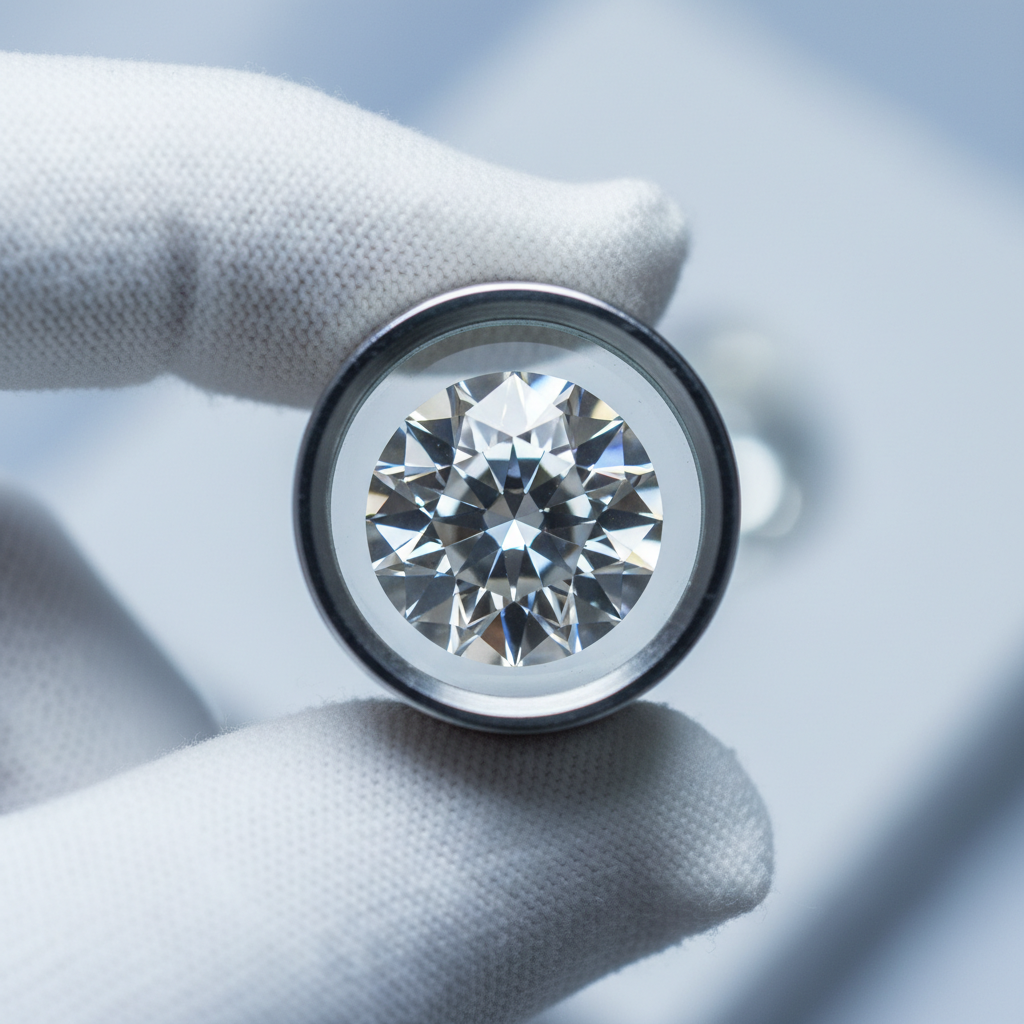
- Testing & review: Diamond screening, loupe/microscope inspection, and metal assay to verify purity and weights.
- Offer & settlement: You receive a documented, obligation-free bid. Upon acceptance, a bank transfer is initiated on the spot.
In our experience, this structured flow makes the biggest difference for estate sellers juggling timelines. It’s fast, but also thorough enough to capture value from documentation and designer provenance where applicable.
What Influences Your Offer (4Cs + Beyond)
Your offer reflects the diamond’s 4Cs, metal value, brand provenance, matched stones, and current demand. Condition and completeness—original boxes, certificates, or pairs—also influence resale potential and can improve the final bid you receive.
Every piece is its own equation. Yes, carat weight matters, but so do optics (cut quality and light performance) and market favorites. Round brilliants, for example, remain popular for studs and solitaires, while certain fancy shapes trend in waves. Original designer paperwork and matching pairs (for earrings) can further support stronger outcomes.
- Cut quality: Impacts brilliance and perceived size; precision cutting often outshines small differences in color/clarity.
- Color and clarity: Standard D–Z color scale and multiple clarity tiers help calibrate rarity and appearance.
- Carat weight: Measured to hundredths; thresholds (e.g., 1.00 ct) can influence demand bands.
- Metal content: Gold karat or platinum purity contributes additional value beyond gemstones.
- Design & provenance: Recognized brands, period styles, and complete sets often attract wider buyer interest.
Action step: Gather any lab reports (GIA or IGI), receipts, and service notes. Even when a lab report predates a recut or reset, it still helps establish the item’s history and informs inspection.
Types of Diamond Jewelry Buyers and Selling Channels
You can sell through local diamond buyers, auction houses, marketplaces, consignment boutiques, or pawn shops. Local buyers usually offer the fastest, most private path with on-site testing and documented offers. Other channels can work, but timelines and certainty vary.
Channel comparison at a glance
| Channel | Speed | Privacy | Evaluation Depth | Documentation | Payment Timing |
|---|---|---|---|---|---|
| Local Diamond Buyer | Same day | High | On-site gem testing | Written offer | Immediate transfer |
| Online Marketplace | Variable | Low–Medium | Inconsistent | Messages/photos | Platform release |
| Auction House | Scheduled | Medium | Specialist cataloging | Provenance valued | Post-sale settlement |
| Consignment Boutique | Slow | Medium | Fashion-driven | Brand-first | After sale |
| Pawn Shop | Immediate | Medium | Limited | ID only | Immediate |
- Best for speed and privacy: Local diamond buyer (private appointment, on-site testing, documented offer).
- Best for rare provenance: Auction house (when you have verifiable brand history and time to wait).
- Best for style-driven items: Consignment boutique (when fashion brand matters more than gem specs).
For most New York sellers seeking certainty and efficiency, a reputable local buyer balances speed with professional rigor—ideal for diamond rings, studs, and tennis bracelets.
Best Practices for Sellers (NYC Edition)
Arrive prepared with grading reports, receipts, and service records. Clean your jewelry gently, disclose any treatments, and ask to see testing steps. Request a written offer and use clear, concise questions. These practices lead to smoother evaluations and stronger confidence at the table.
- Prep your paperwork: Lab reports, receipts, appraisals, and any repair notes help validate history.
- Clean sensibly: Mild soap and a soft brush restore sparkle; avoid harsh chemicals before inspection.
- Disclose treatments: Clarity enhancements or prior recuts are normal—transparency improves trust.
- Ask for a walkthrough: A credible buyer will explain diamond screening, metal assay, and weighting.
- Keep pairs together: Matched earrings and full tennis bracelets evaluate stronger than singletons.
- Bring boxes/cards: Branded packaging or warranty cards can support designer provenance.
One more tip: photograph your items before the visit. In our experience with estate collections, pre-appointment photos provide a quick reference to ensure every piece enters and exits under clear documentation.
Tools and Resources You’ll See During Evaluation
Professional buyers use diamond loupes and microscopes, metal testing kits, calibrated scales, and screening devices to identify natural vs. lab-grown diamonds. Accurate tools, combined with documentation, produce consistent evaluations and defensible written offers you can review and keep.
- 10x loupe and microscope: Inspect inclusions, facet precision, and workmanship.
- Digital scale and calipers: Confirm weights and critical dimensions; thresholds affect demand bands.
- Metal assay tools: Verify karat marks or platinum content to quantify non-gem value.
- Diamond screening: Distinguish natural and lab-grown; both can be purchased with proper documentation.
- UV/lighting controls: Evaluate fluorescence and optical performance without guesswork.
JS Diamonds Inc handles both natural and lab-grown diamonds. Clear identification protects you and ensures the final offer reflects the correct market track for the item you’re selling.
Case Studies: Real NYC Scenarios
Real outcomes show how documentation, condition, and demand shape offers. In New York, matched sets, designer provenance, and up-to-date service records consistently strengthen evaluations, while incomplete pairs or undisclosed treatments slow the process and may reduce bids.
Estate tennis bracelet and studs
- Profile: Estate bracelet (7 in.) with line-set round brilliants plus 1 ct total weight stud earrings.
- Preparation: Seller brought an older lab report, photos, and a family note with purchase date.
- Outcome: On-site testing confirmed metal purity and matched stones; written offer accepted same day.
Designer solitaire engagement ring
- Profile: Recognized brand setting with a round brilliant center, included warranty card and box.
- Preparation: Original receipts and warranty card helped validate provenance.
- Outcome: Demand for brand + documentation supported a strong, market-grounded offer.
Lab-grown diamond pendant
- Profile: Lab-grown round brilliant in a classic halo pendant, with modern grading report.
- Preparation: Seller disclosed that the stone had been reset last year and shared new measurements.
- Outcome: Origin verified; offer aligned to lab-grown resale market and was accepted on the spot.
In our experience with New York estates, documenting pairs and sets (studs, bracelets, suites) prevents value leakage and speeds decision-making during the appointment.
Working With JS Diamonds Inc (New York)
JS Diamonds Inc is an appointment-based New York buyer specializing in diamonds, gold, fine jewelry, and watches. The team provides transparent evaluations, obligation-free offers, and immediate bank transfers, backed by wholesale manufacturing insight and strong client retention.
As a New York City jeweler and diamond buyer, JS Diamonds Inc focuses on:
- Core services: Buy Diamonds, Buy Gold, Buy Watches, Buy Jewelry, Appraise Diamonds, Loose Diamonds, Jewelry Repair, Jewelry Trade-In & Upgrade, Stone Recutting Services.
- Experience: 10+ years in trade, 10,000+ diamonds handled annually, 2,500+ clients served, 98% retention.
- Process: Four steps from evaluation to payout—efficient, discreet, and well-documented.
- Fit for: Diamond ring sellers, estate executors, and owners of designer pieces seeking privacy and speed.
Prefer to trade up instead of sell? Ask about the Jewelry Trade-In & Upgrade path or Stone Recutting to refresh worn facets. These options can revitalize sentimental pieces without starting from scratch.
How to Prepare for Your Appointment
Gather lab reports, receipts, and service records; photograph items; and clean gently before your visit. Organize pairs and sets together, and list any known treatments or resets. Preparation shortens inspection time and helps capture full value from documentation and completeness.
- Pack smart: Certificates, appraisals, boxes, cards, and maintenance logs—all in one folder or pouch.
- Clean safely: Mild dish soap + soft brush; avoid aggressive cleaners that could affect settings.
- Group logically: Keep earring pairs clipped together and bracelet safety clasped.
- Note changes: If a stone was recut or reset, add the date; it clarifies any spec shifts.
- Time box: Most NYC appointments finish in under an hour when documents are in hand.
Preparation is the single highest-leverage action a seller controls. In our New York appointments, organized documentation consistently correlates with smoother evaluations and clearer decisions.
Security, Privacy, and Payment Protocols
Legitimate buyers prioritize discretion and secure payouts. Expect private appointments, sealed interim storage, ID verification consistent with local rules, and immediate bank transfers after acceptance. Documentation at each step protects both seller and buyer.
- Private setting: Appointments reduce public exposure and keep valuables out of open view.
- Chain of custody: Intake photos, item counts, and sealed storage during testing.
- Verification: Government ID checks and standardized forms are routine safeguards.
- Payout: Immediate transfer confirmation before you leave the office.
Ask your buyer to walk you through their testing setup and intake documentation. A transparent process is both a safety measure and a trust signal.
Diamond Jewelry Buyers in NYC: What to Look For
Seek NYC diamond jewelry buyers who offer private appointments, on-site testing, written offers, and immediate transfers. Experience with both natural and lab-grown diamonds, plus complementary services like repair or trade-in, indicates a capable, full-service operation.
- Transparency: Clear explanations, documented offers, and no-pressure decision windows.
- Equipment: Screening tools, loupes/microscopes, and metal assay—used in plain sight.
- Breadth: Ability to handle rings, bracelets, studs, pendants, and high-volume intake.
- Continuity: Services such as repair, trade-in/upgrade, and stone recutting.
JS Diamonds Inc meets these criteria and adds wholesale manufacturing insight—useful when evaluating designer mountings and style-driven demand.
Need a private New York appointment?
If you’re ready to sell a diamond ring or estate jewelry in New York, schedule a private appointment. Bring any grading reports and receipts. You’ll receive a documented offer and, upon acceptance, a secure bank transfer the same day.
Prefer to explore options first? Ask about upgrading a ring, resetting a center stone, or recutting worn facets. Many sellers discover they can refresh a sentimental piece instead of parting with it.

Papers That Speed Up Evaluations
Bring grading reports, brand cards, receipts, appraisals, and watch service records. These documents verify history, clarify specs, and can increase confidence in the offer. Original pairs and complete sets also help preserve value during evaluation.
- Lab reports: GIA/IGI certificates; older reports still provide context.
- Receipts & boxes: Validate brand provenance and original purchase details.
- Appraisals: Useful as a reference; resale markets operate differently from insurance values.
- Service logs: For watches or designer pieces, maintenance history adds credibility.
If you’ve changed mountings or sizes, a quick note with dates helps reconcile measurements and weights during inspection.
Gold and Other Precious Metals: Why They Matter
Metal content contributes real value alongside diamonds. Karat-marked gold and platinum purity are verified during intake, and their weights factor into the final offer. For multi-stone pieces, metal value can materially shape the overall bid you receive.
- Gold karat marks: 10k, 14k, 18k, etc., confirm purity bands used in evaluation.
- Platinum content: Stamps like Pt950 or Pt900 indicate parts-per-thousand purity.
- Assay and weighing: Buyers verify metal content and weight before finalizing offers.
JS Diamonds Inc buys gold jewelry and coins as well as diamond pieces. Sellers with mixed lots—rings, chains, coins—benefit from a single, coherent evaluation across categories.
Natural vs. Lab-Grown: What Sellers Should Know
Both natural and lab-grown diamonds can be purchased, but they follow different market tracks. Screening devices and documentation confirm origin, ensuring the written offer reflects the correct resale considerations for your specific piece.
- Origin screening: Expect a clear test and explanation; origin determines the market lane.
- Document alignment: Modern reports will note origin; older reports may require fresh screening.
- Resets/recuts: If a stone was recut or reset, updated measurements help reconcile specs.
JS Diamonds Inc evaluates both categories and guides you through the implications in plain language. Many New Yorkers appreciate a side-by-side walkthrough before deciding.
Frequently Asked Questions
These concise answers address the most common NYC seller questions about diamond jewelry buyers—evaluation steps, documentation, timeline, and how complementary services like repair or trade-in can support better outcomes.
How do diamond jewelry buyers evaluate my pieces?
They review the 4Cs, check metal purity, and screen for natural or lab-grown origin. Brand provenance, matched sets, and current style demand also factor in. You receive a written, obligation-free offer that reflects these inputs and present-day resale conditions.
What documents should I bring to my New York appointment?
Bring any GIA/IGI certificates, original receipts, brand cards or boxes, insurance appraisals, and service records. Organize pairs and sets together. These details speed verification and improve confidence in the final written offer.
Do NYC buyers purchase lab-grown diamonds?
Yes, many do. Proper screening confirms origin, and the offer then follows the relevant market lane. Bring any lab-grown documentation so the evaluation aligns with your stone’s specifics from the start.
How fast is payment after I accept an offer?
Reputable buyers complete secure bank transfers during your appointment, after you accept the offer. You leave with transfer confirmation and documentation for your records.
Local considerations for New York
- Plan your appointment outside peak commute windows; midday often means smoother building access and quicker sessions.
- Estate activity tends to rise in spring and fall. Book early to align with preferred times and avoid backlogs.
- Ask whether on-site lab-grown screening is available. New York buyers frequently evaluate both origins and can explain differences clearly.
Key Takeaways
Selling to NYC diamond jewelry buyers works best when you prepare documents, schedule a private appointment, and expect on-site testing with a written offer. JS Diamonds Inc streamlines this with immediate transfers and complementary services like repair, trade-in, and stone recutting.
- Documentation and condition shape outcomes as much as the 4Cs alone.
- Local appointments reduce risk and deliver same-day clarity.
- Complementary services can unlock alternatives to selling outright.
- Experience and volume matter—high-volume New York buyers read market signals daily.
Conclusion: Your Next Step in New York
For a fast, private, and documented way to sell diamond jewelry in New York, book a discreet appointment with an experienced buyer. Bring your reports and receipts, ask to see testing, and review a written offer. Immediate bank transfers close the loop the moment you accept.
If you’re deciding between selling and upgrading, discuss trade-in or recutting options first. Many clients discover that refreshing a ring or pendant brings new life to a sentimental piece—while keeping the story intact.
Ready to move forward? Schedule a private New York appointment with a trusted buyer and arrive prepared with documents, organized sets, and simple expectations: a clear evaluation, a transparent offer, and a secure same-day transfer.
For a primer on jewelry basics that complements professional guidance, see this short gemstone jewelry overview for general context on gem types and settings.
