


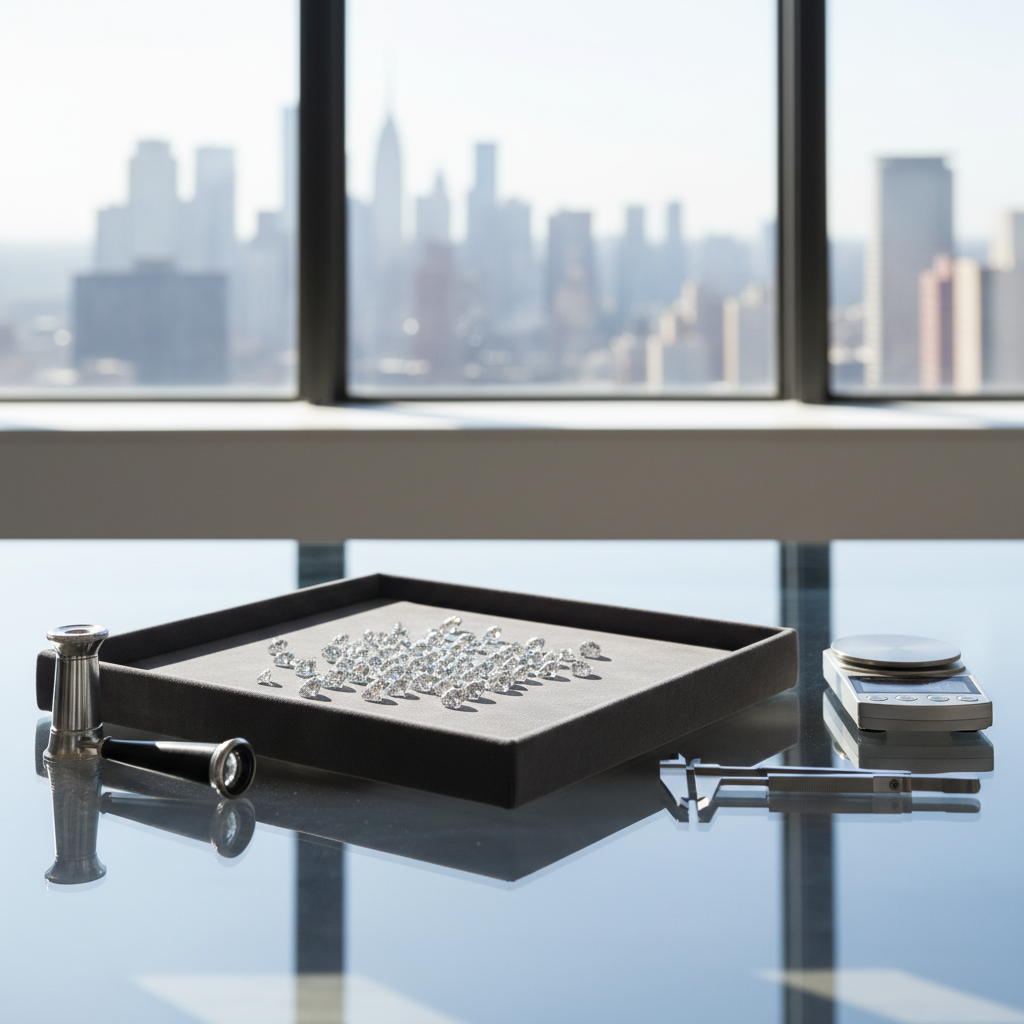
Selling loose diamonds in New York is the expert-led process of verifying the 4Cs, confirming authenticity, and choosing a trusted venue for a transparent, obligation-free offer. At JS Diamonds Inc in New York, you can book a discreet appointment, review a professional valuation, and receive immediate payment by secure bank transfer when you accept an offer.
By JS Diamonds Inc • Last updated: May 15, 2026
Your plan to sell loose diamonds (at a glance)
To sell loose diamonds confidently, gather grading reports, verify the 4Cs, and schedule a private, appointment-based evaluation with a reputable New York buyer. A clear sequence—evaluation, written offer, and secure bank transfer on acceptance—protects value, privacy, and speed from first call to final receipt.
- What “selling loose diamonds” means, and why documentation matters
- How the 4Cs, fluorescence, and shape influence real-world offers
- Step-by-step New York process with security and same-day payout
- Where to sell: local buyer, consignment, auction, or peer marketplace
- Actionable checklists, best practices, and nine real examples
Quick summary
Selling loose diamonds is about preparation, verification, and venue selection. In New York, an appointment-based buyer offering transparent evaluations and immediate bank transfer keeps the process efficient and secure while preserving your diamond’s market value and your privacy.
Here’s the essence: paperwork earns trust, the 4Cs drive price discovery, and your venue sets speed. If you want a same-day decision with oversight, book an in-person evaluation with a buyer who can authenticate the stone and pay on the spot.
Local considerations for New York
- Book appointments ahead of city-wide holiday surges when jewelry traffic peaks; you’ll get calmer scheduling and faster counter time.
- Bring a government ID plus any lab reports; thorough verification enables same-day payment via secure bank transfer after acceptance.
- Winter storms can slow shipping; for high-value stones, in-person evaluations reduce transit exposure and simplify chain-of-custody.
What is “selling loose diamonds”?
Selling loose diamonds means exchanging unmounted diamonds with a vetted buyer after formal 4Cs evaluation and authenticity checks. Proper documentation and a secure, private appointment lead to a transparent offer and immediate payout upon acceptance.
“Loose” simply means your diamond is not set in jewelry. With the stone unmounted, an expert can inspect the table, pavilion, girdle, and culet directly. That visibility enables accurate grading, cleaner measurements, and a tighter match between report data and what the eye sees under magnification.
In our experience working with New York sellers, organizing reports, inscriptions, and prior appraisals before the visit compresses verification time. It also lets everyone focus on performance—brightness, fire, and scintillation—rather than paperwork hunting.
Why selling loose diamonds in New York matters
New York concentrates expert buyers, labs, and wholesale markets. Sellers benefit from fast decisions, rigorous authentication, and strong demand—especially when they bring lab reports and book discreet, appointment-based evaluations with immediate bank transfer upon acceptance.
Why here? Density of professional buyers, ready liquidity, and easy access to verification tools compress timelines. Same-day conclusions are common after identity checks. For many clients, privacy ranks beside price discovery; controlled, appointment-based rooms protect both.
Practical note: with a recent grading report and matching laser inscription, the path from inspection to written offer shortens substantially. Without documents, allow extra time for screening and identity confirmation.
How to sell loose diamonds in New York: step-by-step
The best way to sell loose diamonds in New York is to pre-verify documents, schedule a private appointment, allow bench-level inspection and screening, review a clear written offer, and accept secure, immediate payment. Each step reduces risk while preserving value.
- Gather documentation: grading report, prior appraisals, receipts, and any laser inscription details.
- Pre-consultation: share carat, shape, report number, and photos to streamline your visit and expectations.
- In-person evaluation: magnified inspection, measurements, fluorescence check, and identity verification.
- Offer review: discuss the 4Cs, market factors, and options—sell outright, trade-in, or consign.
- Instant payout: on acceptance, receive secure bank transfer and a detailed, itemized receipt.
Tip: If your diamond is chipped or abraded, ask about stone recutting. Improving symmetry or polish can influence light performance—sometimes the difference between a merely “good” look and a strong, lively face-up appearance.
For a deeper look at the selling process and expectations for New York clients, explore our practical page on selling diamonds in New York.
How buyers determine diamond value (beyond the 4Cs)
Value reflects a matrix: the 4Cs, fluorescence, cut quality metrics, light performance, shape demand, lab reputation, and whether the stone is natural or lab-grown. Market liquidity and documentation completeness further calibrate the final offer and timeline.
Core factors (the foundation)
- Carat weight: 1 carat equals 200 milligrams (0.2 grams). Weight brackets near milestones can change demand bands.
- Color grade: D–Z for colorless to light tint; fancy colors use a separate system.
- Clarity grade: From Flawless to I3; inclusion type, size, and location matter at 10x.
- Cut quality: Proportions, symmetry, and polish govern brightness, fire, and scintillation.
Refinements that move real offers
- Fluorescence: None to Very Strong; effects are context-dependent and sometimes aesthetic.
- Shape demand: Round brilliants are broadly liquid; fancy shapes follow fashion cycles.
- Lab reputation: Recognized grading reduces friction and shortens verification steps.
- Inscription + paperwork: Matching report numbers and laser inscriptions lower risk.
For sellers, the formula is straightforward: completeness and clarity of information can be as powerful as the gem itself. When documentation and condition are optimized, so is your negotiating position at the counter.
Want an accessible refresher on the fundamentals? Review this concise, third-party 4Cs guide and a helpful carat guide before your appointment.
Where to sell: options, pros, and cons
Your venue sets speed, oversight, and control. Local appointment-based buyers offer privacy and immediate payout; auctions and consignment may widen exposure but take longer; peer-to-peer marketplaces increase DIY responsibilities and risk management.
| Venue | Speed | Oversight | Exposure | Security | Best for |
|---|---|---|---|---|---|
| Local diamond buyer | Same day | High (pro appraisal) | Targeted | High (in-person) | Privacy + fast payout |
| Consignment jeweler | Weeks–months | Moderate | Retail traffic | Moderate | Patience for retail exposure |
| Online auction | Variable | Platform rules | Wide | Platform-dependent | Unique stones, rare sizes |
| Peer marketplace | Variable | Low | DIY | Seller-managed | Experienced private sellers |
Many New York clients prioritize timeline and security. That’s why private, appointment-based evaluations remain a go-to: you control the process, ask questions in real time, and walk out with an itemized receipt and cleared funds.
Seller’s readiness checklist (paperwork & preparation)
Arrive with a grading report, any appraisals and receipts, a government-issued ID, and clean, damage-free stones in parcel paper. This streamlines verification and supports immediate payment after an accepted offer.
- Grading report: bring the report number, lab name, and ensure the inscription matches.
- Photos and receipts: helpful for history but not mandatory.
- Condition: avoid home cleaners; ask a jeweler for safe ultrasonic or steam cleaning.
- Packaging: use gem parcel paper or a small protective container.
- Path options: consider outright sale, trade-in, repair, or recutting before your visit.
Quick prep pays dividends: organized documents, a pre-booked appointment, and realistic expectations create the conditions for a smooth, same-day close when your diamond’s qualities align with buyer demand. If you’re considering a transformation first, learn how stone recutting can revive older or worn stones.
Best practices to maximize value
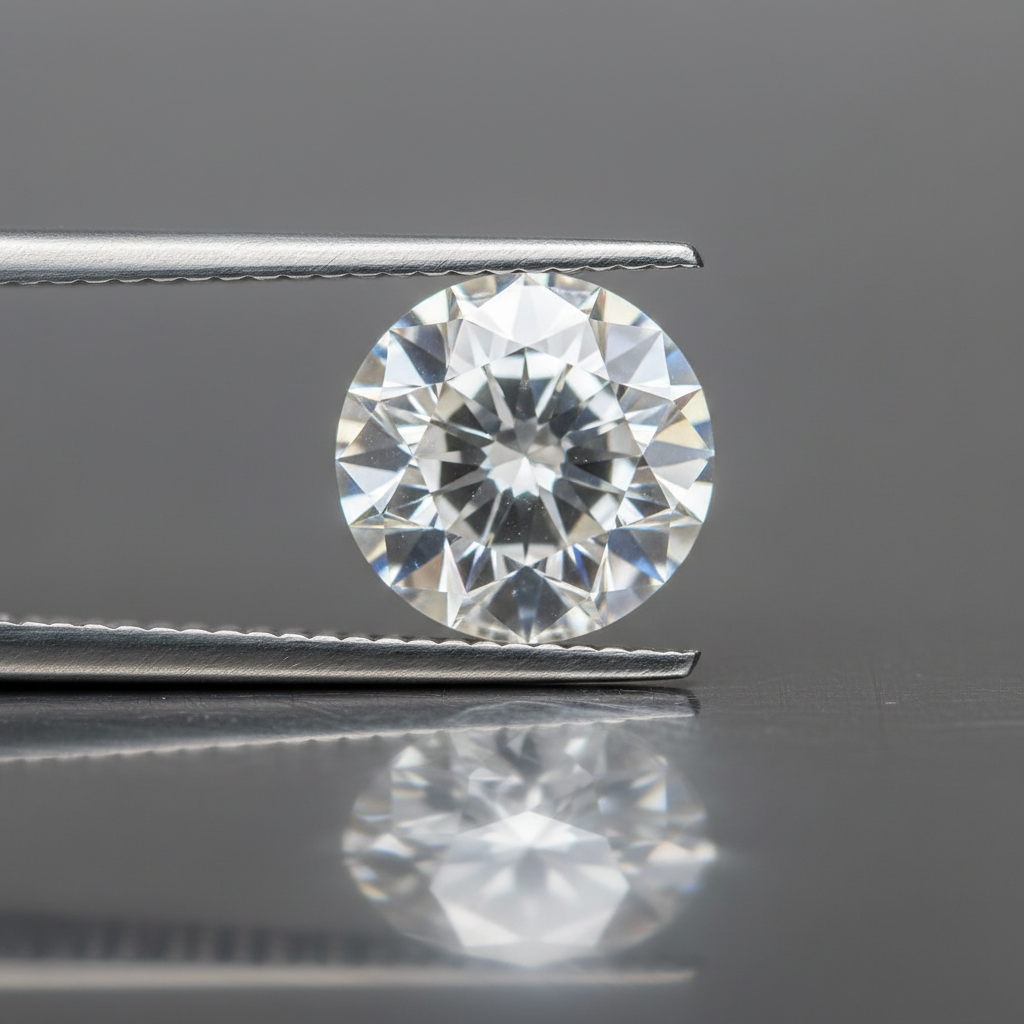
Maximize value by verifying your lab report, cleaning the stone professionally, addressing chips through recutting when sensible, and choosing an in-person buyer who can authenticate and pay immediately. Preparation converts into stronger offers and faster closings.
- Confirm reports: check the report number and inscription match before your visit.
- Professional cleaning: a residue-free pavilion and table show true light return.
- Micro-issues: evaluate whether modest recutting could improve symmetry or polish.
- Right venue: align your timeline with the venue’s payout cadence and oversight.
- Trade-in path: if you plan new jewelry, explore upgrades during the same appointment.
We’ve found that a short pre-call—sharing carat, shape, lab, and inscription—saves 15–20 minutes during intake and keeps negotiations focused on the diamond’s performance, not admin work.
Considering selling mixed items as well? Our educational guide to gold purity and karats helps you organize non-diamond pieces for evaluation in the same visit.
Tools and resources sellers actually use
Use lab report verification tools, 10x loupe photos, and clear third-party explainers from reputable jewelers. These resources help you validate basics before your appointment and ask informed questions during evaluation.
- Report lookups and inscription checks from the issuing lab’s portal
- 10x loupe or macro phone photos to document inclusions and girdle
- Independent explainers on the 4Cs, fluorescence, and carat weight
Real-world examples from New York sellers
Sellers win when they pair documentation with the right venue. These New York scenarios show how preparation, repair, or recutting can influence outcomes and compress timelines from weeks to the same day.
- Report-ready round: A 1.02 ct round with a recent report verified and closed the same day after a clean inspection.
- Chip-and-fix: A chipped princess cut gained symmetry after a modest recut, leading to a stronger offer the following week.
- Trade-up path: An owner chose a trade-in toward a new pendant, converting a sale into an upgrade in one visit.
- Vintage parcel: Several small loose stones were evaluated as a parcel; weight-and-count documentation simplified the session.
- Fluorescence nuance: Medium fluorescence required lightbox checks; with good cut, face-up brightness stayed lively.
- Lab-grown clarity: A lab-grown round with eye-clean clarity closed quickly once the inscription and report matched.
- Shape cycle: An oval benefited from current demand; precise measurements supported confidence in proportions.
- No report route: A stone without documents took longer for screening but still concluded with a same-week payout.
- Estate parcel: A family brought mixed sizes; organizing by shape and carat bands made evaluation efficient.
Each case hinged on clarity, documentation, and choosing a venue that matched the seller’s timeline and privacy preferences.
Lab-grown vs. natural: what sellers should know
Lab-grown and natural diamonds are chemically identical but differ in origin and market dynamics. Clear disclosure, inscription checks, and a modern report ensure accurate representation and efficient evaluation.
- Identity checks: inscriptions and report verification prevent mix-ups.
- Market dynamics: timelines and resale patterns differ by origin and size band.
- Documentation: current reports reduce screening steps and speed decisions.
For a balanced primer, skim this independent lab-grown vs. natural guide and bring any questions to your appointment.
Security, transparency, and ethical considerations
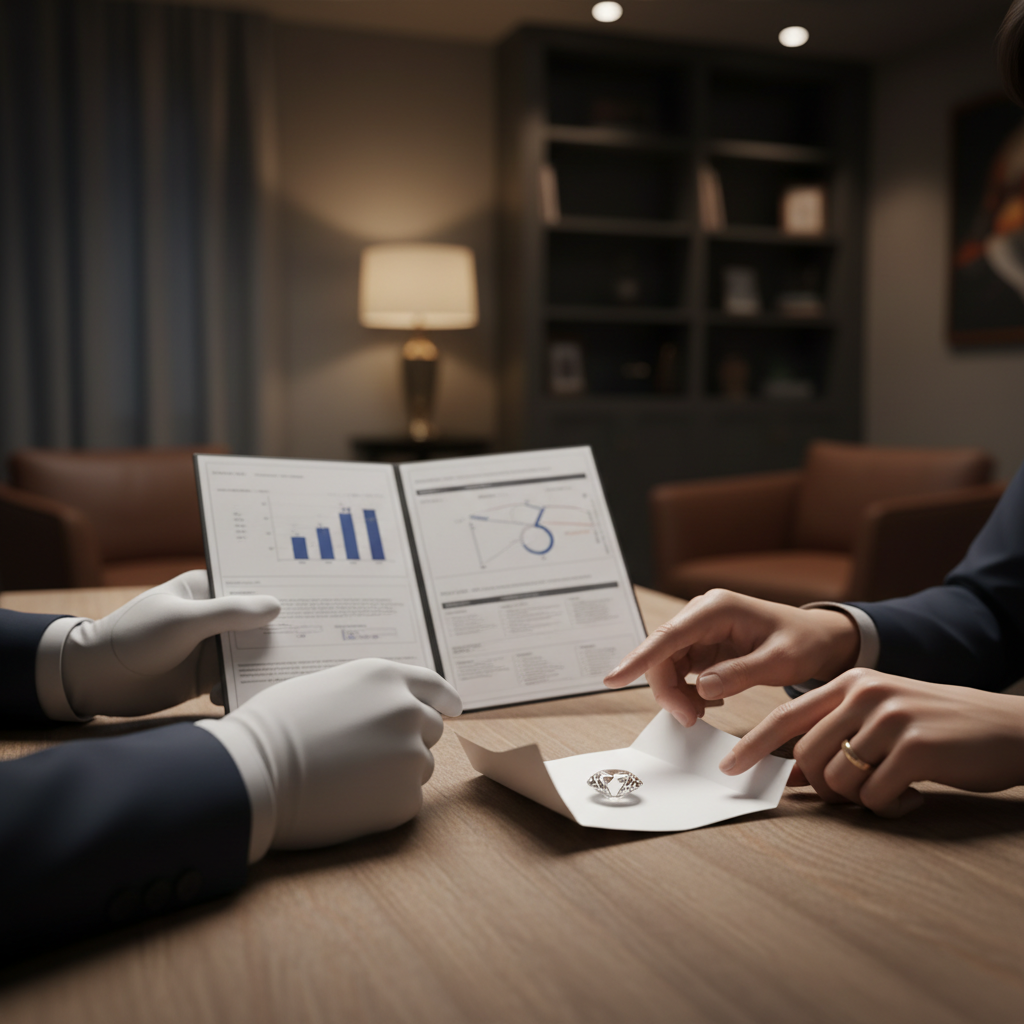
Insist on documented chain-of-custody, watch evaluations within sight, and request a written receipt describing the diamond and payment method. Accurate disclosure for treatments and origin underpins trust and reduces friction.
- In-person oversight: remain present during inspection and weigh-ins whenever possible.
- Receipts and IDs: itemized paperwork protects both parties and speeds future inquiries.
- Disclosure standards: treatments and origin representations should be clear and truthful.
JS Diamonds Inc runs controlled, appointment-based evaluations with clear intake, bench-side visibility, and detailed receipts—elements that protect sellers and streamline same-day payout.
Get a discreet consultation (no obligation)
A short, private consultation can clarify choices: sell outright, trade-in, repair, or consider recutting. Booking ahead ensures bench availability for on-the-spot evaluations and immediate bank transfer once you accept an offer.
Soft CTA: Book a confidential, appointment-based evaluation to review your diamond’s 4Cs, confirm paperwork, and discuss your goals—sell now, upgrade, or plan a repair. One visit, clear answers. While you plan, you can also review our jewelry services and our live gold price tracker if you’re bringing mixed items.
Frequently Asked Questions
These concise answers cover the questions sellers ask most about documents, evaluation timing, venue choice, and how preparation shapes outcomes.
What documents do I need to sell a loose diamond?
Bring any grading report, prior appraisals, receipts, and a government-issued ID. If the diamond has a laser inscription, note the report number. Documentation speeds verification and supports a faster, same-day payout after you accept an offer.
How long does an in-person evaluation take?
Most evaluations take 20–40 minutes depending on the stone and paperwork. With a recent lab report and matching inscription, the process is usually faster. Without documents, allow extra time for screening and identity checks.
Should I recut a chipped diamond before selling?
If a modest recut can improve symmetry or remove visible damage without altering the stone’s character, it may help presentation. Discuss potential weight loss and timelines with a buyer who offers in-house stone recutting services.
Is it better to sell to a local buyer or consign?
A local, appointment-based buyer offers speed, privacy, and immediate payment. Consignment can broaden retail exposure but takes longer and requires patience. Choose the path that aligns with your timeline and oversight preferences.
Conclusion and next steps
Successful loose-diamond sales pair documentation with the right venue. In New York, a private evaluation with a trusted buyer speeds authentication and payment while protecting privacy—giving you clarity and control from first contact to final receipt.
- Organize lab reports, appraisals, and IDs in advance.
- Pre-book a discreet, in-person evaluation with a vetted buyer.
- Ask about trade-in, repair, and recutting options during the visit.
- Confirm written offers and secure bank transfer procedures.
Key takeaways: Preparation, documentation, and venue choice shape your experience and outcome. For New York sellers who value privacy and speed, an appointment-based evaluation at JS Diamonds Inc offers a smooth, transparent path from evaluation to payout.
